Biodiversity management in Provençal vineyards

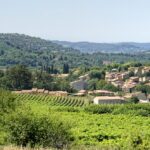
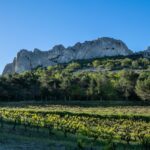
At the turn of a road in the green Provence region, you'll often discover a winery nestled between centuries-old olive trees and luminous hills. The air is fragrant with wild herbs, and the song of the cicadas can be heard in the distance. It's in this enchanting setting that biodiversity management takes on its full importance, to preserve the magic of this region and continue to offer exceptional wines.
The key role of biodiversity in Provençal vineyards
Provence is much more than just a land of rosé. Its vineyards stretch across sun-drenched hillsides, where water remains precious. In the wine industry, biodiversity has as much to do with the quality of the wine as it does with the health of the ecosystems. Local flora and fauna act as allies in limiting erosion, promoting pollination and regulating pest populations. Between the rows of vines, numerous plant and animal species cohabit and contribute to the balance of the vineyard.
In this quest for harmony, a number of winegrowers in Provence have turned to organic wine, convinced that this approach respects both nature and the palate of wine-lovers. By focusing on gentle practices, they reduce the use of chemicals and protect the soil. Their reputation is no longer based solely on the "château" appellation or the rosé tradition, but also on an ecological commitment that appeals to customers in search of authenticity.
Virtuous practices to preserve our heritage
Provençal viticulture is an integral part of the region's cultural identity. From Pagnol to Cézanne, it has inspired many artists who have fallen in love with these landscapes. Today, a more subtle form of advertising emphasizes the values of respect and sustainability in response to a demanding public. This new era is embodied in a variety of initiatives, where biodiversity is becoming a strong argument and an essential marketing asset.
Winegrowing estates committed to ecosystem-friendly farming implement a variety of measures, including the installation of hedgerows, the preservation of wetlands, the promotion of plant cover between the rows of vines, and the use of herds to regulate vegetation. These are all solutions that preserve the natural balance and enhance the specific characteristics of the Provencal terroir.
The benefits of flourishing biodiversity
- Pest reduction: The presence of predatory insects and birds makes it easier to control undesirable populations without resorting to chemical products.
- Improved soil quality: the roots of certain plants fix nutrients, limit erosion and retain water, providing a rich soil for vines.
In the wine industry, this dynamic contributes directly to wine quality. The aromatic notes, freshness and complexity of Provençal wines are often the fruit of these subtle interactions between nature and winemakers' know-how. The more varied the biodiversity, the better the balance, giving rise to an exceptional rosé or red wine.
A few ways to promote biodiversity
Encouraging diversity in the vineyards requires passion, listening and a pinch of audacity. Some Provençal producers don't hesitate to welcome beehives to encourage pollination and reinforce their eco-responsible image. Others are introducing old varieties to diversify their vineyards and adapt to climate change. Far from being mere advertising operations, these actions illustrate a sincere commitment.
- Encouraging natural beneficials: Introducing ladybugs or bats is a respectful and effective way of combating vine parasites.
- Plant trees and hedges: They provide refuge for birds and beneficial insects, while protecting crops from wind and excessive sun.
These initiatives reflect a growing desire to reconcile tradition and innovation. Provençal wineries want to preserve the beauty of their land while enhancing the reputation of their wines.
A heritage in the midst of renewal
This lasting momentum is breathing new vitality into Provence. Each château involved tells a unique story, rooted in enchanting landscapes and an age-old culture. Winegrowers are constantly reinventing their approach to producing quality wine that respects nature and people. This virtuous dynamic is reflected in the region's worldwide reputation, appealing as much to rosé lovers as to organic wine enthusiasts in search of unforgettable flavors.
Far from being a passing fad, biodiversity management in Provençal vineyards appears to be a common thread linking agriculture, culture and heritage. It is inspiring other regions, attracting the attention of those seeking a model of balance between man and nature. Ultimately, this revival in the wine sector invites everyone to rediscover the treasures of a region where, between cicadas and vines, life is celebrated in all its forms.
 Comment la Provence est devenue le berceau du rosé ?Par Christian Ott, le 25 mars 2025
- Gestion de la biodiversité dans les vignobles provençauxPar Christian Ott, le 22 mars 2025
- Les domaines incontournables de la ProvencePar Christian Ott, le 17 mars 2025