Between scientific exploration and artistic sensibility
Oenology and winemaking are characterized by a subtle balance between science and experience. The processes of fermentation, maceration and ageing are based on in-depth knowledge of biochemistry, but creativity is also involved in the selection of grape varieties and the mastery of aromas. This duality attracts both technical enthusiasts and lovers of tradition, for whom each vintage is a unique discovery.
Understanding grapes and their potential
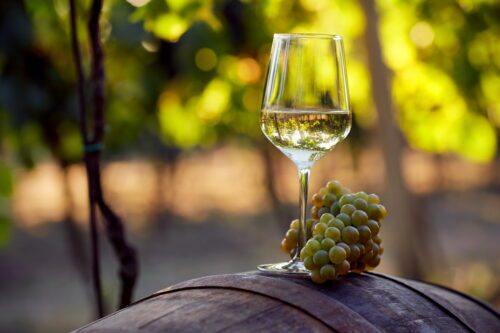
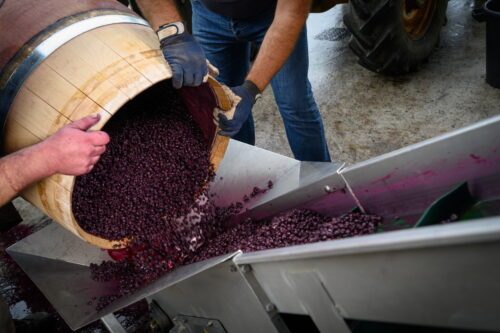
The grape is the heart of the work. Its ripeness, sugar content and acid balance have a direct influence on the future wine. Oenologists carefully observe the harvest and evaluate the characteristics of the berries, in order to decide on the best winemaking practices. Some prefer short maceration to preserve freshness, while others opt for prolonged contact with the skins, reinforcing structure and aromatic complexity. Through a careful and meticulous choice of techniques, the aim remains to express the fruit's personality to the full.
The secrets of fermentation and ageing
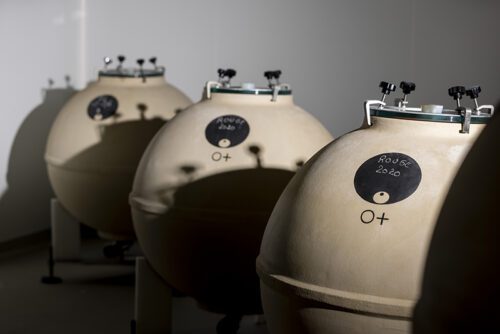
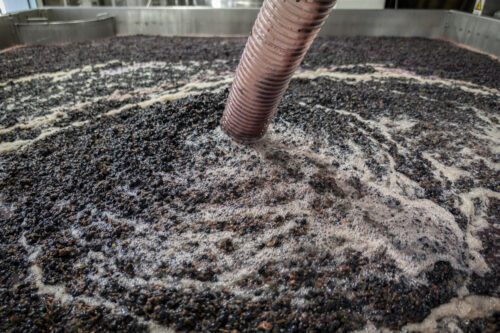
Within the vats, fermentation takes place thanks to the action of yeasts, transforming sugar into alcohol and releasing a range of gustatory nuances. The temperature, oxygenation and duration of this stage are crucial to obtaining a harmonious result. Next comes ageing, a key moment when the wine rests and purifies itself. Some choose oak barrels to round out the tannins, while others prefer stainless steel to preserve the initial freshness. Each decision has an impact on mouthfeel, aroma intensity and ageing potential.
Tradition and innovation in the service of quality
The success of a wine depends on more than scientific accuracy. Respect for practices handed down through the generations and the constant contribution of new ideas are driving the evolution of the discipline. More natural approaches are emerging, with the use of indigenous yeasts or the reduction of inputs, while other initiatives rely on high technology to better control processes. The essential thing remains to preserve the authenticity of a grape, a terroir and a know-how, in order to offer an unforgettable taste experience.