The impact of amphorae on Provence wines

Provence's winegrowing history is a world where every detail counts, from the sun-drenched vineyards to the production secrets that shape the character of each wine. Amphorae, objects inherited from a time when Gaul was open to imports from Antiquity, are now back in the spotlight. They are arousing new curiosity and inviting wine lovers to rediscover winemaking from a different angle. This resurgence reflects a desire to revive an ancestral technique in the heart of the region.
A thousand-year-old history: the amphora from Gaul to Provence
Amphorae, first used to transport wine, oil and other foodstuffs, represent a direct link with ancient France. They can be found as far back as Roman times, when Provence, then part of Gaul, was already seeing its grape varieties evolve in lands steeped in tradition. These earthenware vessels, fashioned according to a precise type of material, then traveled down the centuries to build a bridge between different civilizations.
The vineyards of Provence, set in a valley of changing relief, have long been marked by production in oak barrels. The idea of returning to the amphora is a tribute to the ancestors who shaped wine in a spirit of slow maturation and respect for the terroir.
Amphora vinification: a material that enhances aromas
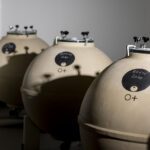
Vinification in amphora is characterized by a gentler oxygenation than that of a conventional barrel. This approach preserves the wine's identity and offers a singular aromatic profile, highlighting the nuances of aromatic herbs and ripe fruit typical of the region. Some winemakers even believe that terracotta acts as a natural filter, bringing out more vibrant sensations from the very first sip.
This production method is seductive for its ability to reveal the potential of Provencal grape varieties without the overly pronounced mask of wood. The fruity aromas unfold with delicacy, while the texture gains in finesse. Today's imports of these containers comply with strict specifications, guaranteeing high-quality amphoras ready to welcome the magic of fermentation.
Towards a new approach: rediscovering the valley's grape varieties
Some winegrowers, driven by a desire to innovate, adopt this new vision of amphora vinification to magnify their grapes. The terroirs of Provence, with their varied microclimates and relief, allow constant exploration of emblematic grape varieties. This sunny valley lends itself to daring experimentation, sometimes resulting in cuvées of character, whose luminous color and delicate perfumes have nothing to envy of the finest crus.

Compared to the barrel, the amphora offers several advantages:
- Respect for authenticity: terracotta does not give the wine a woody taste.
- Temperature stability: the thickness of the amphora contributes to more controlled fermentation.
This type of container isn't just for reds: whites and rosés can also gain in richness. As the process unfolds, it becomes clear that the amphora is no mere historical curiosity, but a winemaking tool that enhances the specific characteristics of each region.
Final elements to enjoy Provence wines
The return to favor of the amphora gives Provence wine a special resonance, where the heritage of Gaul mingles with the creative impetus of passionate winemakers. This technique is no passing fad: it embodies a return to our roots and a celebration of the land, while boldly embracing the future. To taste an amphora wine is to accept a journey back in time and be surprised by the purity of its aromas. This quest for balance, between tradition and innovation, reminds us that each tasting tells a story rooted in Provence and its long winegrowing past.

 Les techniques de vinification sans intrants en ProvencePar Christian Ott, le 19 mai 2025
- Pourquoi la macération pelliculaire est-elle intéressante pour les blancs de Provence ?Par Christian Ott, le 9 juin 2025
- Comment faire un rosé gastronomique en Provence ?Par Christian Ott, le 11 novembre 2025
- L’impact des amphores sur les vins de ProvencePar Christian Ott, le 18 septembre 2025
- L’importance du choix des levures pour exprimer le terroir provençalPar Christian Ott, le 11 mars 2025
- Le rôle du PH et de l’acidité dans l’équilibre des vins provençauxPar Christian Ott, le 6 août 2025