The role of PH and acidity in the balance of Provençal wines
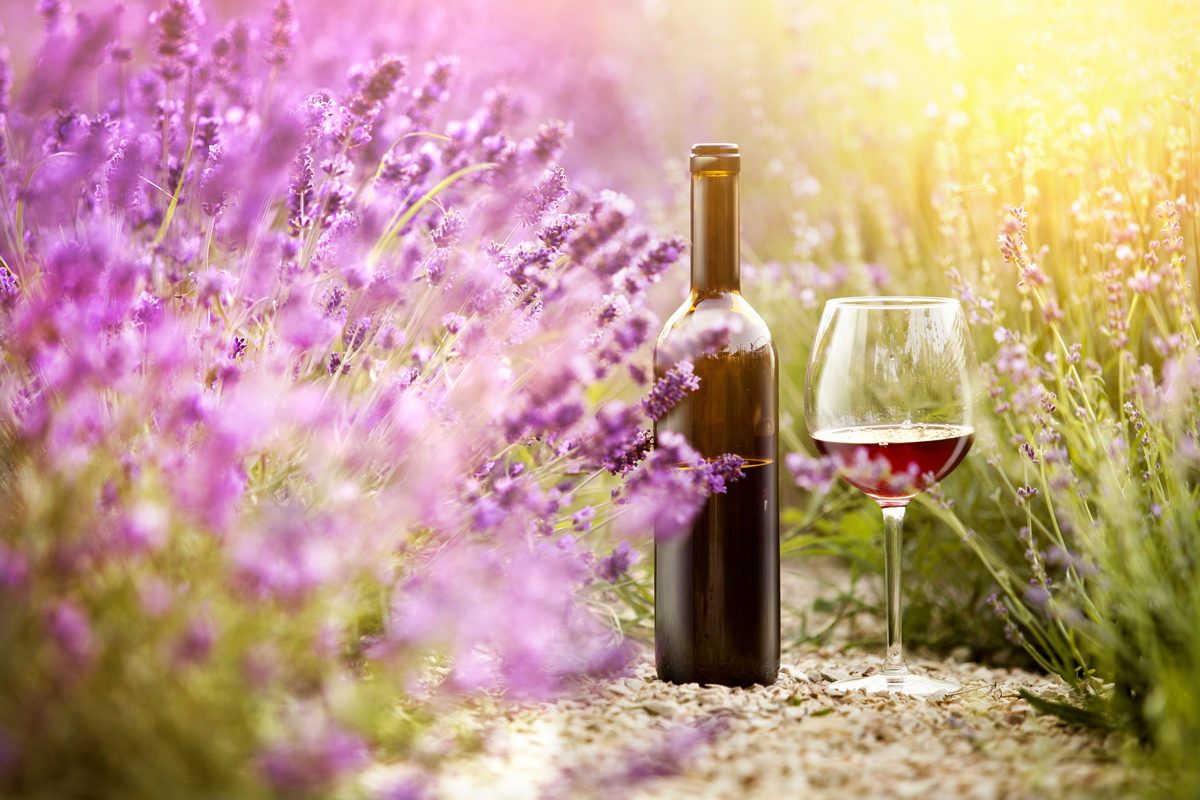
In the hills of Provence, a singular charm envelops each plot of vines. Dry air, warm light and the song of the cicadas combine to create an unforgettable atmosphere. Many estates focus on balanced wines, where pH and acidity make all the difference. What we're talking about here is a true art, sublimated by a terroir with flavors typical of this region of southern France.
The subtle harmony of pH in Provençal viticulture
pH plays a key role in the production of Provence wines. Its value, although invisible to the naked eye, directly influences the stability and evolution of the wine in the bottle. Certain local grape varieties require special attention to preserve their freshness, and pH control guarantees precise vinification that respects the personality of each cuvée.
When the harvest arrives at the winery, the white, rosé or red grapes are assessed to determine the ideal balance. The pH control is used as a compass by the winemaker to decide on the most suitable type of fermentation. In this region, the intention is to reveal the Provençal identity through mineral, fruity and sometimes floral touches. An excessively high pH could harm the wine's finesse, while excessive acidity could make it austere.
Adjust acidity according to grape variety
Each grape variety, whether Grenache, Cinsault or Rolle (often called Vermentino), has its own unique characteristics. In the vineyards of Provence, you'll find :
- Grenache: brings roundness and generosity, but requires a controlled pH to reveal spicy notes.
- Cinsault: much appreciated for rosé production, it gains in delicacy thanks to controlled acidity.
- Rolle (Vermentino): present in many of Provence's whites, it blossoms with a slight liveliness.
Decisions taken at harvest time, more or less early depending on the weather, help to achieve the desired sugar content while preserving freshness. The most innovative estates don't hesitate to explore new methods to preserve a stable pH and enhance the identity of their cuvées.
The fundamental role of acidity in wine structure
Acidity, closely associated with pH, acts as a wine's backbone. It supports its aromatic profile, stimulates salivation and makes you want to come back for more. When tasting a white wine from Provence, we often notice a liveliness that enhances the aromas of white flowers and citrus fruit. Rosé, an emblematic product of the region, also possesses this characteristic freshness.
In addition to taste, acidity influences color and microbiological stability. In red wines, it promotes harmonious aging, while in white and rosé wines, it maintains a clear, limpid color. This living force also protects the wine against certain alterations during fermentation and bottle ageing.
Guidelines for successful acidity
Provence's winegrowers, committed to integrated viticulture practices, monitor acidity at every stage, from pressing to yeasting and maceration. Carefully adjusted acidity ensures :
- Solid structure: supports the wine's aromas and character.
- Precise mouthfeel: prevents any imbalance and provides a sensation of freshness.
- Better longevity: it contributes to good cellar evolution and protects the wine.
Balance and variation: mastering the production of Provençal wines
Vineyards stretch from the Mediterranean coast to the steeper slopes of the hinterland, creating a variety of microclimates. Each domaine exploits the richness of its terroir to bring a singular touch to its bottles, because Provence rhymes with diversity. The complexity comes from the changing climatic conditions that influence the natural acidity of the grapes.
Vinification then adapts to these variations. Some opt for longer fermentation to shape a more complex aromatic profile, while others prefer aging on lees to round out acidity. Whites and rosés, in particular, benefit from the marked freshness for which the region is renowned. Between traditional know-how and modern techniques, Provence offers a range of styles in which pH and acidity play the leading role.
One last shine
When you taste a Provençal wine, you perceive much more than a simple chemical balance. Behind the right pH and acidity, we discover the soul of an enchanting place, where the song of the Mistral blends with the passion of the winegrowers. This subtle relationship between nature and the hand of man produces wines of remarkable finesse, inviting you to prolong your tasting and dream for a moment of the sun-drenched hills. It's a reminder that, in this region bursting with light, every sip reflects an art of living deeply rooted in the land of Provence.

 Comment faire un rosé gastronomique en Provence ?Par Christian Ott, le 11 novembre 2025
 Les techniques de vinification sans intrants en ProvencePar Christian Ott, le 19 mai 2025
 Pourquoi la macération pelliculaire est-elle intéressante pour les blancs de Provence ?Par Christian Ott, le 9 juin 2025
 L’importance du choix des levures pour exprimer le terroir provençalPar Christian Ott, le 11 mars 2025
 Le rôle du PH et de l’acidité dans l’équilibre des vins provençauxPar Christian Ott, le 6 août 2025
 L’impact des amphores sur les vins de ProvencePar Christian Ott, le 18 septembre 2025
