How do you make a gourmet rosé in Provence?
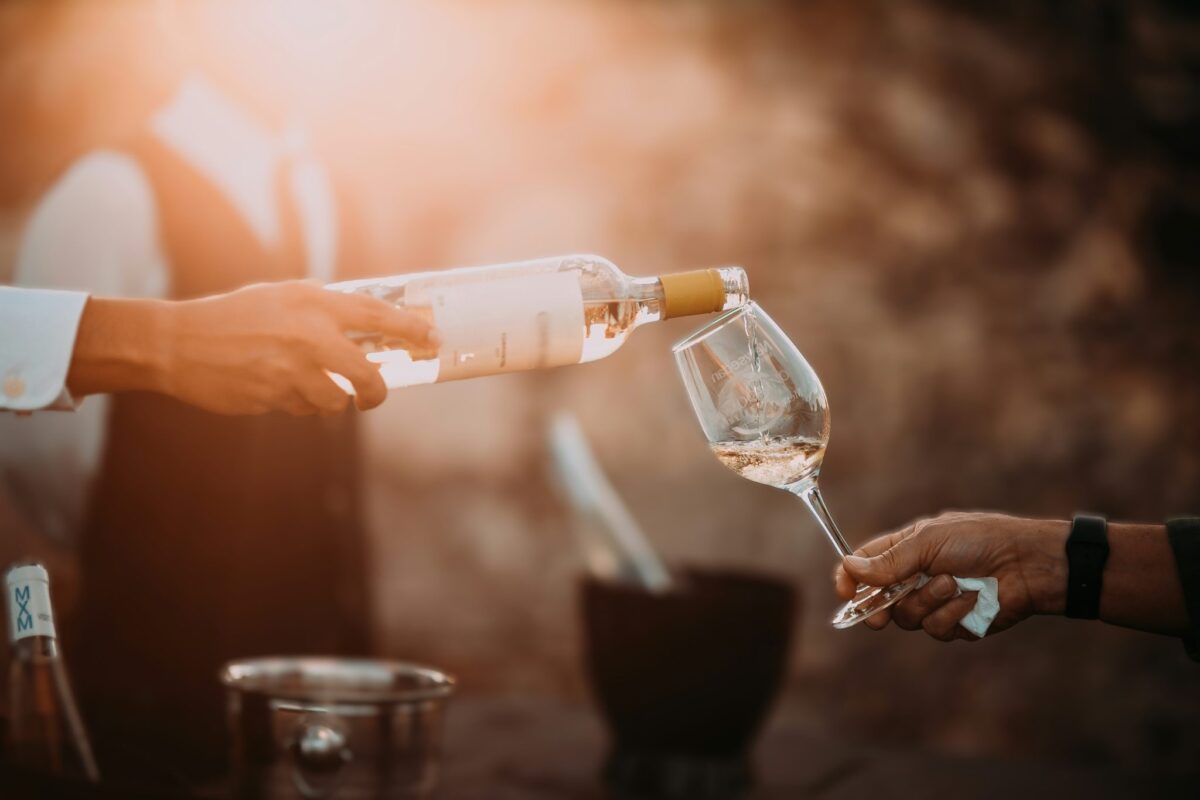
A delicate hue evoking freshness, subtle aromas that delight the taste buds. Provence's gourmet rosé is one of those treasures that arouse the enthusiasm of wine lovers in France and beyond. Its cultural heritage is the stuff of summertime dreams, while its reputation for refinement intrigues the curious in search of excellence.
Provençal inspiration: a unique art of winemaking
Provence has carved out a place for itself thanks to its sunny climate and historic estates. Each château, proud of its expertise, offers cuvées crafted with almost meticulous attention to detail. In this region, the color of rosé wine oscillates between pale pink and luminous salmon, already inviting gourmandise. There's a deep attachment to the terroir, where limestone and sunshine contribute to the diversity of aromas.
Rosé embodies this balance: more delicate than reds, less strict than whites, it is the ideal partner for gastronomy. Numerous Provençal estates have demonstrated this by developing ranges that go well with all kinds of dishes, from simple grilled meats to the most refined recipes. Fruits express themselves gently, while mineral notes underline the quality of this land bathed in light.
Grape selection: the foundation of an exceptional cuvée
A variety of grape varieties are available to winemakers to create a gourmet rosé: Grenache, Cinsault, Mourvèdre and Syrah. Each delivers a singular aromatic palette. The blending of red grapes and sometimes a small fraction of white grapes adds further richness. In Provence, harvesting often takes place in the cool of dawn, to preserve the subtlety of the fruit.
Selection is based on several criteria, including ripeness and concentration of flavors. The winemakers rely on their mastery of each plot to create a wine with precise aromas, capable of transcending the boundaries of taste. This approach ensures harmony between color, fragrance and structure, essential for a gourmet rosé.
Meticulous winemaking: the key to finesse
Producing a rosé that combines elegance and personality requires precise vinification. The grapes destined for these rosés are generally gently pressed, with scrupulous control of maceration time. The aim is to extract the delicate hue, while retaining fruity and floral notes. The "rosé de saignée" technique can also be used: the red grapes are left to ferment for a short time, then a portion of the colored juice is extracted.
This step guarantees a controlled cuvée and indispensable freshness. Maturing in stainless-steel vats is common, as it preserves fruity aromas and floral nuances. Some estates still opt for oak barrels, to bring out a slight woody character. For a gourmet rosé, every detail counts, from harvesting to bottling and delivery to other regions of France or the world.
A few points to remember:
- Selection of the best plots: a unique terroir shapes the character of rosé.
- Maceration control: to obtain the right color, without overpowering the flavors.
- Controlled vinification: a balance of fruit, freshness and structure.
The makings of a gourmet rosé
The notion of "gastronomic rosé" refers to the wine's ability to enhance an upscale meal. Long associated with summertime conviviality, Provence rosé now has the legitimacy of a quality wine suited to refined dishes. Some rosés even display a complexity that lends itself perfectly to haute gastronomy, thanks to intense aromas and controlled acidity.
Subtle notes of spices, red berries and white flowers are sometimes present. It all depends on the blending and winemaking choices made. This diversity makes gourmet rosé very versatile. It can be paired with dishes as varied as tuna carpaccio, roasted prawns or creamy risotto. The idea is to ensure an aromatic continuity that enhances each ingredient.
Possible culinary pairings:
- White-fleshed fish: reveal the delicacy of the wine and the finesse of the dish.
- White meats or poultry: enhance the fruitiness of rosé with a touch of spice.
- Mild cheeses: create a contrast between creaminess and freshness.
A living legacy for France and the world
Provence rosé illustrates the French art of living, combining gastronomy with a festive spirit. Behind every bottle lies a philosophy of the land and of sharing, nurtured by passionate men and women. These craftsmen care for each cuvée, in the hope of passing on their know-how and sharing a fragment of wine culture.
Gastronomic rosés now travel all over the world, highlighting Provence as an essential benchmark. Alongside grand cru reds and prestigious whites, these rosés are asserting their place on the most demanding tables. Their elegance is due to the precision of their winemaking and that Mediterranean touch that makes them dream far beyond our borders.
A final call to pleasure
Every sip of gourmet rosé tells a story of terroir, passion and the quest for perfection. Provence's winegrowers compete with each other in their imagination to bring out the finesse that attracts gourmet food lovers and discerning palates alike. You can taste a unique alchemy, the result of respect for the land and the fruit, but also of a profound desire to create a wine that arouses emotion.
Provençal estates and châteaux offer proof that a simple rosé can become a masterpiece. To be inspired by them is to embrace the richness of the South, the festive spirit of France and the beauty of a world where quality takes precedence over all other considerations. A well-crafted rosé can be enjoyed like a fascinating story: each aromatic note reveals a chapter, and each tasting invites you to prolong the adventure.

 L’impact des amphores sur les vins de ProvencePar Christian Ott, le 18 septembre 2025
- Pourquoi la macération pelliculaire est-elle intéressante pour les blancs de Provence ?Par Christian Ott, le 9 juin 2025
 Les techniques de vinification sans intrants en ProvencePar Christian Ott, le 19 mai 2025
- L’importance du choix des levures pour exprimer le terroir provençalPar Christian Ott, le 11 mars 2025
- Comment faire un rosé gastronomique en Provence ?Par Christian Ott, le 11 novembre 2025
- Le rôle du PH et de l’acidité dans l’équilibre des vins provençauxPar Christian Ott, le 6 août 2025