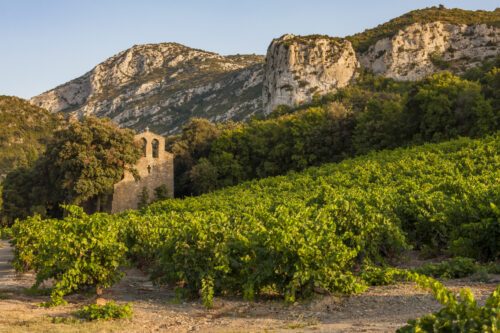
Between passion for wine and heritage of the land
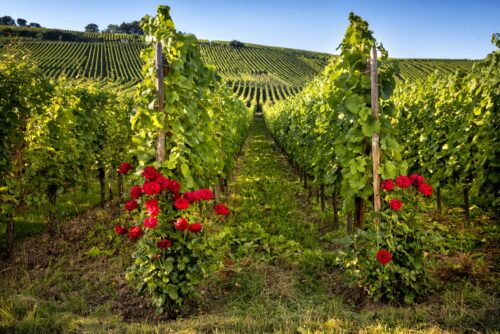
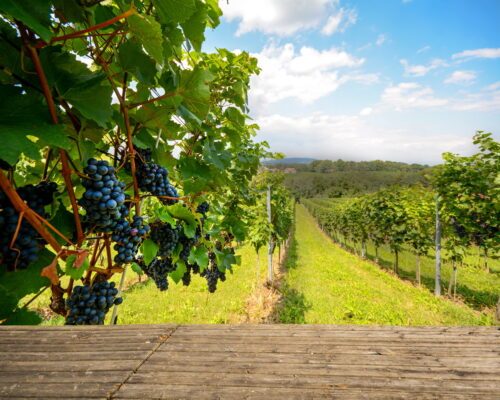
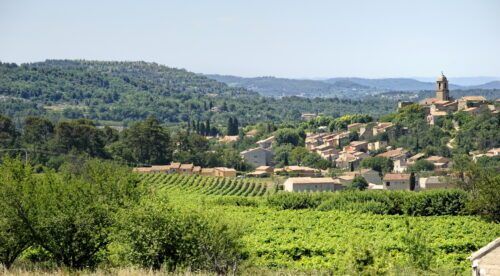
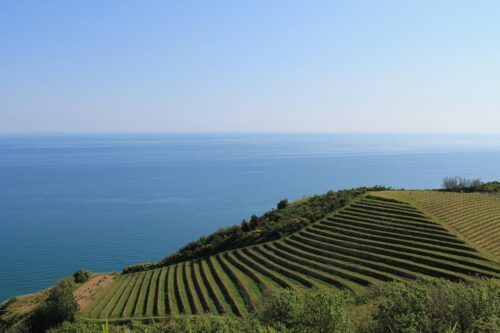
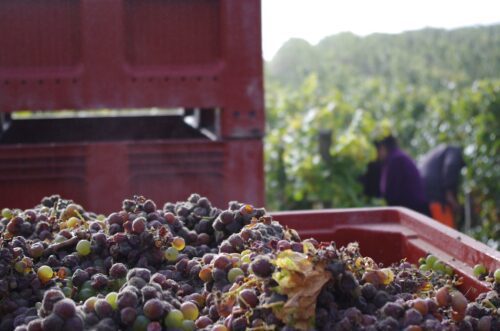
Viticulture and terroir form an inseparable tandem, where every detail influences the quality of a wine. Pruning, harvesting and fermentation techniques are refined through centuries of observation and experience. Taste identity, meanwhile, is based on natural elements such as soil composition and sun exposure, but also on the dedication of producers committed to a perpetual quest for excellence. Flavors are thus shaped by meticulous gestures that honor both the vine and the spirit of the place.
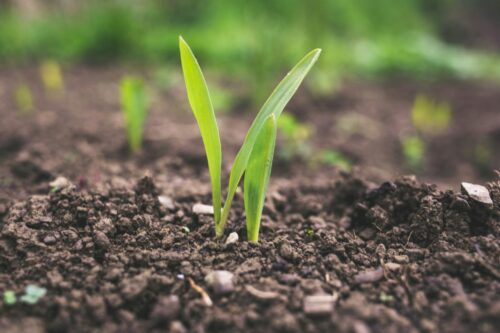
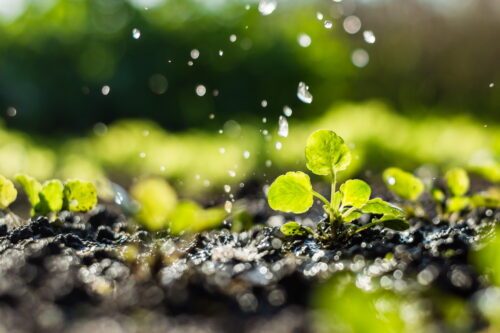
Soil, the foundation of an identity
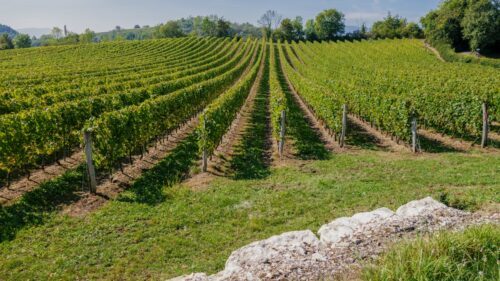
Terroir reveals itself first and foremost in the soil. The minerals present influence the structure of the grapes, and each parcel offers its own subtlety. From clay-limestone soils richer in freshness to sandy soils favoring delicate aromas, the final expression of the wine varies according to the environment. Behind each nuance of flavor lies a true symbiosis between the plant and the natural environment, reinforced by responsible management of the surrounding biodiversity.
From ancestral techniques to modern approaches
The art of winemaking is based on a balance between tradition and innovation. Ancient methods, handed down from generation to generation, guarantee wines of character and respect for their heritage. At the same time, advances in scientific knowledge enable us to optimize winemaking processes, from monitoring plots to selecting barrels for ageing. This duality offers producers a wide range of possibilities, enabling them to sublimate each vintage. A true reflection of human passion and natural richness, the wine produced by a viticulture attentive to the terroir reflects more than mere know-how: it tells a story of patience, transmission and wonder.