How can we adapt viticulture to global warming in Provence?
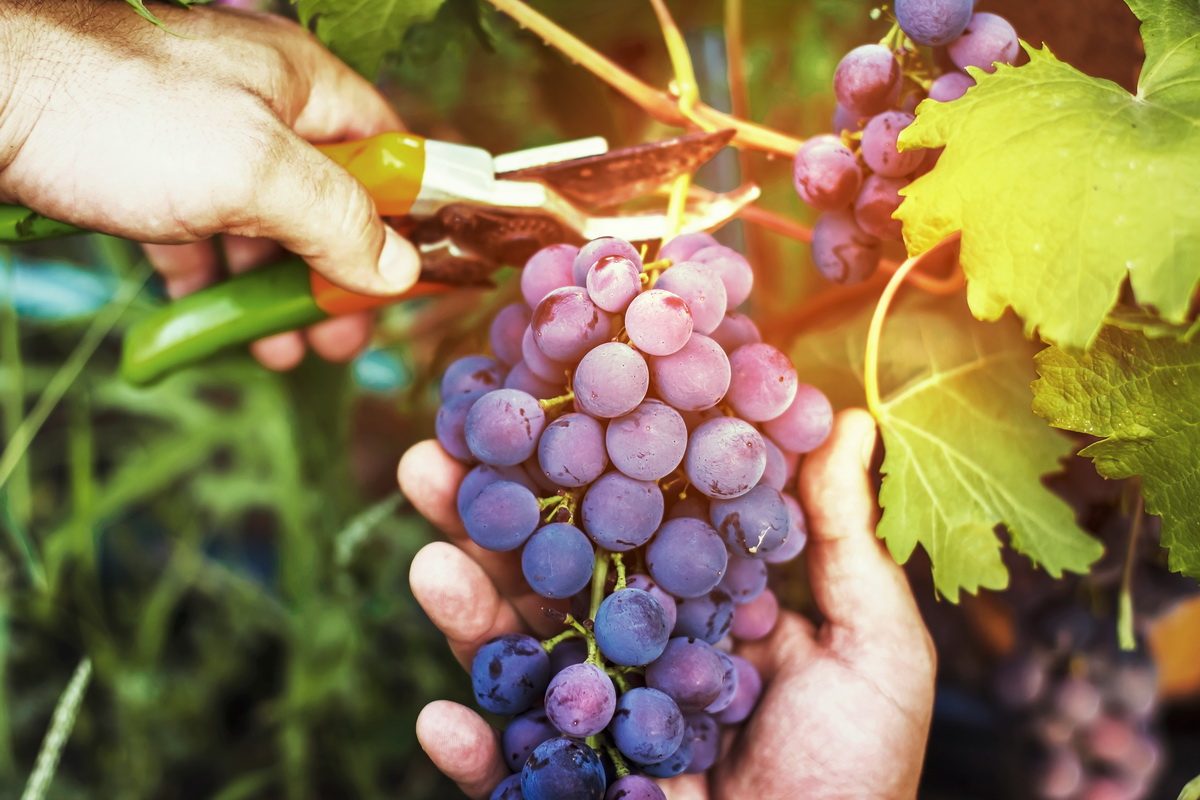
Provence often awakens a poetic impulse: relentless heat, cicada songs and vineyards undulating under the sun. Many admire these landscapes, which are home to an age-old winemaking tradition. Temperature variations become more intense as time goes by, and this reality raises many questions. The winegrowers face an unexpected challenge: how to develop viticulture and protect this local treasure?
Climate challenges in Provence
The vineyards of Provence are going through an unprecedented period. Global warming has turned a centuries-old mechanism upside down: vines are no longer accustomed to prolonged dry spells and increasingly frequent heat spikes. This region of southern France, renowned for its luminous rosé wines and structured reds, is confronted with climatic conditions that are modifying the harvest calendar, water management and even the aromatic expression of grape varieties.
Rising temperatures are prompting some estates to experiment with more resistant varieties, while others are looking for new ways to keep grapes cool. Some observers even fear that the traditional characteristics of Provence wines are fading. Nevertheless, a spirit of creativity is emerging. Winegrowers are thinking up bold strategies to support their vines in the face of climate change, which demands unprecedented adaptation.
Winegrowers in search of adaptation
Growers in Provence are taking a variety of approaches to protect their vines and enhance their wines in times of upheaval. From genetic research to plot rotation, each avenue is explored with pragmatism.
Here are some of the approaches often mentioned:
- Selecting more resistant grape varieties: some are moving towards varieties that can better tolerate heat and lack of water.
- Careful management of irrigation: the rational use of water is essential to preserve quality while protecting the resource.
- Hedges and plant cover: these elements of the vineyard promote biodiversity and temper climatic excesses.
This willingness to innovate is not confined to the great châteaux. On each estate, we see many forms of anticipation: adjusting cultivation practices, using vat cooling techniques or changing the orientation of the rows of vines. One of our challenges is not to lose our Provençal soul: the warmth of the sun, yes, but at the service of a fair and balanced ripeness.
The unique role of Domaine Alône
At the heart of this effervescence, Domaine Alône illustrates a pioneering movement in Provence. Anxious to preserve the identity of its wines, it has embarked on a determined effort to limit the impact of its climatic footprint. The historic parcel, exposed to the vagaries of the Mistral wind, is home to new water management practices. The use of shades on the hottest days and the installation of sensors to monitor the evolution of the vines reveal a determination to innovate without distorting the region's heritage.
The owners have opted for a collaborative approach. They regularly invite other winemakers to share feedback, test results and common dreams for the future. The result is a dynamic in which skills complement each other: agronomists, climatologists and wine artisans join forces to imagine a harmonious Provence, capable of coping with the vagaries of the climate. Some even envisage the introduction of grape varieties less sensitive to water stress, while preserving the aromatic complexity of the local terroir.
Towards a new way of making wine
There's more to Provence than postcard landscapes. Behind every bottle, subtle craftsmanship is waging a discreet battle against global warming. In the face of extreme temperatures, viticulture is evolving and reinventing itself. The quest for a balance between tradition and modernity now drives every vineyard.
Many observers believe that this region is becoming an open-air laboratory for the whole of France, and even beyond. The practices developed in Provence could then be exported to other regions facing similar climatic problems. The future of winegrowing could be built on this collective creativity, fuelled by the urgent need to offer wines that are in tune with today's reality.
Here are some other solutions explored by certain operations:
- Moving vines to higher altitudes: cooler temperatures reduce the impact of heatwaves.
- Protection of vines with anti-sun nets: these temporary structures lower direct temperatures on the bunches.
Some agree that this move will prove decisive in preserving the region's winegrowing reputation, while making way for a new generation of wines more resistant to extreme climates.
A final look at tomorrow's Provence
Despite all the turbulence, Provence remains a vibrant symbol of passion and excellence. The horizon is opening up towards a more resilient viticulture, driven by winemakers united in their determination to perpetuate a unique savoir-faire. Between respect for tradition and awareness of climate change, this land of light invites us to savor every drop as an act of gratitude to those who are inventing tomorrow's solutions. The sun-warmed plots still conceal a thousand stories, and each one bears witness to a deep love for wine and vines.
 L’irrigation dans les vignobles provençaux : faut-il en avoir peur ?Par Christian Ott, le 18 août 2025
 La cohabitation entre viticulture et faune sauvage dans les vignobles provençauxPar Christian Ott, le 10 avril 2025
- Comment adapter la viticulture au réchauffement climatique en Provence ?Par Christian Ott, le 3 septembre 2025
 Le rôle du mistral dans la viticulture provençalePar Christian Ott, le 8 décembre 2025
 Influence de la mer sur les vins de Provence : mythe ou réalité ?Par Christian Ott, le 26 mars 2025
- Biodynamie en Provence : quels domaines ont sauté le pas ?Par Christian Ott, le 1 mars 2025
- Le travail du sol en climat méditerranéen : défis et innovationsPar Christian Ott, le 20 octobre 2025
- Vendanges en Provence : méthodes et traditionsPar Christian Ott, le 11 mars 2025
- Les couverts végétaux : une solution pour préserver les sols en climat chaudPar Christian Ott, le 22 avril 2025
- Les cépages emblématiques de la Provence et leur adaptation aux terroirsPar Christian Ott, le 31 mars 2025