Reducing phytosanitary treatments in Provence: what are the alternatives?
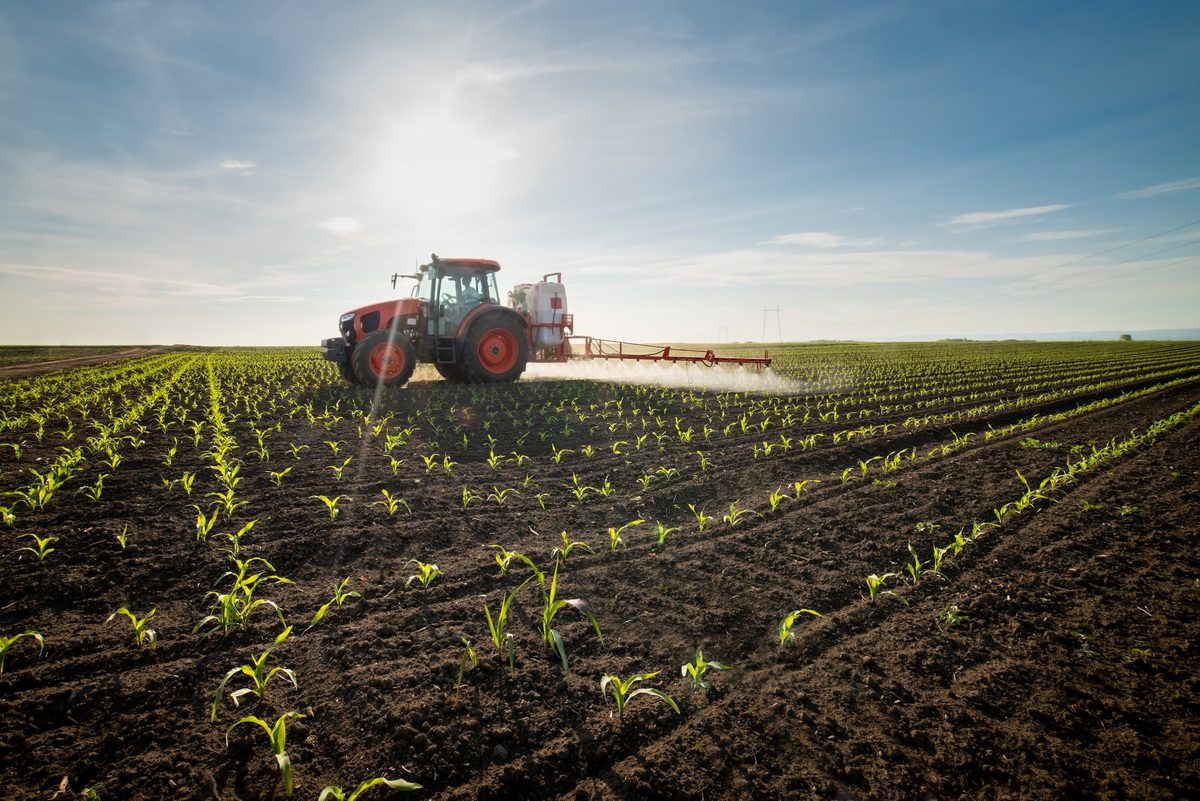
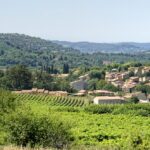
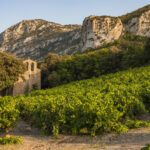
The rolling landscapes of Provence point to a major challenge for the viticulture and agriculture of tomorrow: finding effective alternatives to phytosanitary treatments. The desire to preserve the environment without sacrificing production is prompting many professionals to re-evaluate the use of pesticides. A quest for balance is underway, with the aim of reducing doses while maintaining crop quality.
A fundamental challenge for Provence
The Provencal region stands out for its passion for the land and its age-old winegrowing culture. However, the average IFT (Indicateur de Fréquence de Traitements) remains high, revealing a high level of use of phytosanitary products. French authorities are encouraging a drastic reduction in the use of these substances in order to protect the environment and local biodiversity. Sometimes, all it takes is one wrongly measured drop to unbalance a sensitive ecosystem.
Behind the vineyards, the reality is palpable: some soils are becoming impoverished, while disease pressure is increasing. Producers are looking for new ways to limit pesticide use and better manage treatments. This is the impetus behind the Good Farming Practices competition, which rewards estates capable of changing their habits.
Trace element supplements: a healthy approach
One strong strategy is to strengthen the vines themselves, much like a human organism that rarely remains ill when healthy and active. At Alône, we focus on this idea: carrying out precise soil and plant analyses, then adding the right trace elements to balance each vine. The right doses create a balance that favors growth and reduces susceptibility to disease.
Copper, frequently associated with organic viticulture, also reveals its limitations. Even if it is perceived as less aggressive than certain pesticides, its accumulation in soils can generate other problems. The aim is not to ban all forms of treatment entirely, but to dose substances correctly and optimize their use.
Biocontrol techniques and alternatives
Biocontrol solutions are winning over a growing number of fields. They rely on the cohabitation of auxiliary fauna and protective plants, to mechanically or biologically restrict pests and diseases. In the wake of this trend, the improvement of production practices is integrated into a comprehensive agronomic guide, designed to steer professionals towards more virtuous methods.
A range of techniques helps reduce the need for traditional treatments:
- Targeted trapping: installation of traps to capture insect pests, limiting the application of chemical products.
- Use of living organisms: introduction of mites or micro wasps that attack pests.
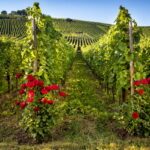
- Associated crops: insertion of specific plants (flowers, grasses) in the middle of vines to attract biodiversity and regulate pest pressure.
This list of examples is by no means exhaustive, but it does offer a glimpse of concrete alternatives. Committing to this ecological shift requires continuous observation, as each vineyard has its own constraints.
Rethinking agriculture for a better balance
In the field, the transition is accelerating: biocontrol, new resistant varieties, moderate use of copper. This evolution is based on a desire to preserve the environment and extend the region's winegrowing history. Sometimes, all it takes is to adjust a practice or modify a technical itinerary, and pesticide reduction becomes a real possibility.
The IFT, long considered a simple indicator, has become a compass for adapting doses and better targeting phytosanitary treatments. Many professionals are drawing inspiration from specialized guides to reduce their chemical footprint while securing their production. Regular soil analysis and precise micronutrient supplementation are the perfect complement to this approach.
A horizon that shapes the future
The vineyards of Provence, attached to their identity, are moving towards new perspectives. The pioneering spirit of certain estates is shining the spotlight on professional competitions that encourage these initiatives, attracting the attention of the general public and rewarding coherent projects. The idea is to reveal the beauty of a terroir while protecting the fauna, flora and health of workers.
The approach adopted at Alône illustrates the model to follow: rely on regenerated soil, carefully analyze the plant, adjust micronutrient intake and adopt the most promising biocontrol techniques. This approach, which combines vigilance and creativity, has breathed new life into Provençal viticulture and is part of a general movement to reduce the use of pesticides in France.
Our efforts guarantee harvests worthy of the local heritage, while maintaining a sincere link with nature. Every drop of product used with discernment, every natural solution explored, forms the cornerstone of a more respectful production. The path is clear: strengthen the health of the vines to limit treatments and protect this unique heritage, generation after generation.
 Les cépages emblématiques de la Provence et leur adaptation aux terroirsPar Christian Ott, le 31 mars 2025
- Les couverts végétaux : une solution pour préserver les sols en climat chaudPar Christian Ott, le 22 avril 2025
- La cohabitation entre viticulture et faune sauvage dans les vignobles provençauxPar Christian Ott, le 10 avril 2025
- Vendanges en Provence : méthodes et traditionsPar Christian Ott, le 11 mars 2025
- Le rôle du mistral dans la viticulture provençalePar Christian Ott, le 8 décembre 2025
- Réduction des traitements phytosanitaires en Provence : quelles alternatives ?Par Christian Ott, le 7 juillet 2025
- Biodynamie en Provence : quels domaines ont sauté le pas ?Par Christian Ott, le 1 mars 2025
- Les particularités des terroirs provençaux : entre calcaire et argilo-silicieuxPar Christian Ott, le 4 mars 2025
- Le travail du sol en climat méditerranéen : défis et innovationsPar Christian Ott, le 20 octobre 2025
- Influence de la mer sur les vins de Provence : mythe ou réalité ?Par Christian Ott, le 26 mars 2025