Tillage in the Mediterranean climate: challenges and innovations
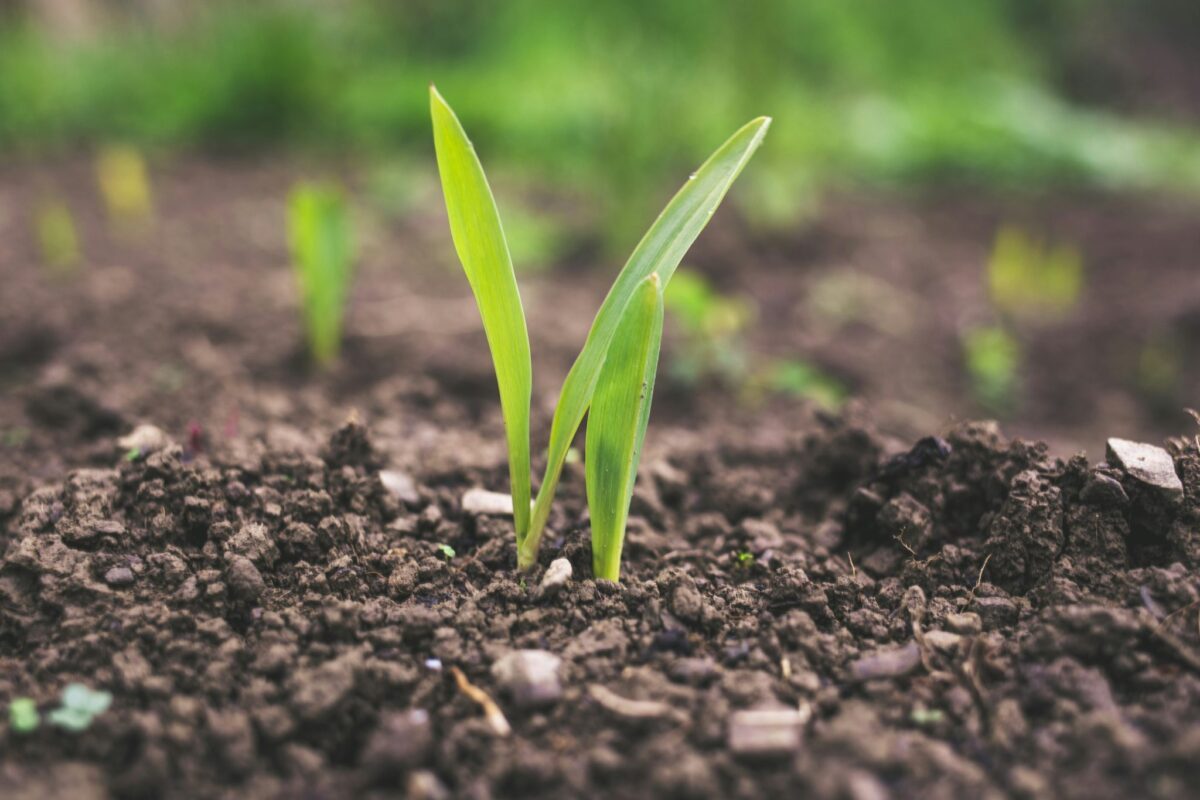
For generations, the lands bordering the Mediterranean have been a source of deep attachment, but their beauty conceals a major challenge: preserving the soil in the face of climatic hazards. The region's farmlands are suffering from a cumulative effect of reduced water availability and pressure on biodiversity. Farmers and agricultural project leaders are trying to devise innovative strategies to help each farm find its own rhythm and balance.
The challenges of a demanding climate
The Mediterranean climate pushes farming systems to the limit. Dry summers weigh heavily on the water equation, while climate change brings its own uncertainties. In some areas of France, pressure on water resources has been increasing for several years, with a marked reduction in rainfall. Agriculture-related activities are therefore feeling the full brunt of these climatic conditions, which are calling into question many traditional practices.
Soil equilibrium is frequently compromised. When rainfall is scarce, organic matter is depleted, structure is weakened and biodiversity risks being impoverished. Once well-adapted plant species struggle to regenerate without appropriate support. Some farms are rethinking their tillage methods: avoiding over-ploughing, adopting green manures, preserving plant cover and measuring each water input. Without these adaptation efforts, the effect on fertility is cruelly felt.
Historical legacy and modern pressure
Ancient civilizations, like those that flourished around the Mediterranean, were already ingeniously exploiting natural resources to optimize the cultivation of vines, olives and cereals. Agricultural modernization has enabled more intensive development, but the climatic equation is becoming more complicated. Ancient cultivation terraces bear witness to ancestral knowledge, while current efforts seek to marry tradition with cutting-edge technology. Research stations, universities and local cooperatives are engaged in an ongoing quest to devise new methods and equip farms to cope with these climatic contingencies.
Innovations and adaptations for healthy soils
Mediterranean farmers are deploying a panoply of solutions to preserve soil quality and ensure viable production. The aim? Strengthen resilience, enhance biodiversity and manage every drop of water with care. Some professionals are focusing on agroforestry, others on heat-resistant species, while the most daring are testing new plant cover.
Before adopting these approaches, many follow a logic of small-scale experimentation, based on feedback from experience in various regions of France. Sharing between farms often proves decisive: advice on micro-irrigation, feedback on organic fertilization, choice of more robust varieties.
The role of living soil and the need for a global approach
Favoring a living soil offers greater resistance to difficult years. Soil rich in micro-organisms retains water more effectively, structures nutrient inputs and stimulates biodiversity. In some systems, grass is left in place after mowing to enrich the surface layer, while permanent cover limits erosion.
Behind these techniques lies a philosophy of adaptation. Innovations don't stop at the choice of seed or the use of mulch. They also involve the pooling of know-how and concerted action within the region. Research groups and local collectives help each other to adopt more sustainable approaches, while preserving economic efficiency.
Key principles for long-lasting soil :
- Rotation diversification: to break agricultural monotony.
- Reduced mechanical tillage: to limit soil disturbance and maintain an optimum level of organic matter.
- Precise input management: to avoid any excessive impact on natural fertility.
An inspiring horizon
The innovations being developed in the Mediterranean climate are restoring faith in the future of agricultural land. Despite the pressure of global warming, a host of initiatives are emerging to prove that adaptation is possible. Farms opting for alternative solutions, such as agroforestry or the rational use of irrigation, are sending out a strong message: climate change is not inevitable for soils.
A collective approach is being put in place to preserve both the region's ecosystems and its economic vitality: public-private partnerships, innovative cooperatives, exchanges between researchers and farmers. All contribute to shaping a balanced agricultural model, where the soil remains the essential pillar of production.
Mediterranean landscapes thus retain their appeal, nourishing the spirit of passionate entrepreneurs while ensuring the sustainability of the species that have evolved there for centuries. The years to come are likely to bring unprecedented developments, in which every player, from small producers to large distribution networks, will have a major role to play.
And when a region knows how to intelligently combine traditions and new perspectives, it becomes a source of example for the whole of France. This region, so attached to its soil, demonstrates that with perseverance and imagination, it is possible to give new impetus to Mediterranean agriculture while respecting biodiversity. The adventure has only just begun, and each technical or scientific advance opens a door to a future where working the soil and preserving resources go hand in hand.
 Le travail du sol en climat méditerranéen : défis et innovationsPar Christian Ott, le 20 octobre 2025
- Les particularités des terroirs provençaux : entre calcaire et argilo-silicieuxPar Christian Ott, le 4 mars 2025
- Comment adapter la viticulture au réchauffement climatique en Provence ?Par Christian Ott, le 3 septembre 2025
- Réduction des traitements phytosanitaires en Provence : quelles alternatives ?Par Christian Ott, le 7 juillet 2025
- La cohabitation entre viticulture et faune sauvage dans les vignobles provençauxPar Christian Ott, le 10 avril 2025
- Les cépages emblématiques de la Provence et leur adaptation aux terroirsPar Christian Ott, le 31 mars 2025
- L’irrigation dans les vignobles provençaux : faut-il en avoir peur ?Par Christian Ott, le 18 août 2025
- Biodynamie en Provence : quels domaines ont sauté le pas ?Par Christian Ott, le 1 mars 2025
- Le rôle du mistral dans la viticulture provençalePar Christian Ott, le 8 décembre 2025
- Vendanges en Provence : méthodes et traditionsPar Christian Ott, le 11 mars 2025