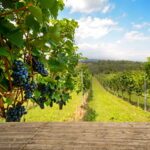
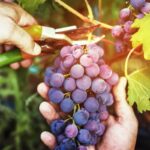
Provence has long been celebrated for the diversity of its wines and the beauty of its landscapes. Between the gentle breeze that caresses the vines and the generous sunshine, this terroir tells the story of a soil and climate that shape each grape variety. Today, we take a look at the limestone and clay-silica nuances that characterize certain vineyards, revealing why Provence, at the gateway to the Rhone, is full of priceless surprises.
When limestone enhances aromas
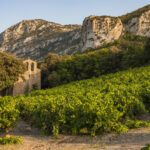
Limestone soils are characterized by their ability to retain water while allowing good drainage. In the vineyards of Provence, this type of soil often lends elegant structure and precise aromas to red wines, especially those made from Grenache or Syrah. Limestone also enhances the freshness of white wines, providing harmonious balance on the palate. Around a few villages, you'll find small estates or authentic châteaux, each cultivating its own identity. From Saint-Rémy-de-Provence to Montagne Sainte-Victoire, limestone soils are a precious ally for vines, allowing them to express all the subtleties of a climate that is both warm and temperate.
Siliceous clay: a complex, generous terroir
Alongside the limestone soils, there are clay-silica zones that give the wines an equally marked identity. When vineyards flourish on this type of soil, they often produce deeper red wines, rich in spicy notes and black fruit aromas. Mourvèdre and Syrah find an ideal playground here, taking advantage of the complexity of these soils to develop a long finish. Red and white wine vinifications bring out the specificity of this terroir, creating cuvées whose finesse is immediately apparent in the glass.
To better understand the contribution of siliceous clay to wines, we can highlight several characteristic features:
- A balance between power and elegance: these soils favor the concentration of tannins while preserving the freshness of the grape varieties.
- A pronounced aromatic diversity: notes of ripe fruit, spices and sometimes garrigue, depending on the climate of each plot.
Climate influences and the singularity of the Alône estate
The Provencal climate is both sunny and cooled by winds from the Rhône. This duality is reflected in the ripeness of the grapes and the quality of the wines, from intense reds to lively whites. In some areas, the Mistral brings a dry wind that protects the vines from humidity, reducing the risk of disease, while in others, the proximity of the sea softens temperatures.
In the midst of these multiple microclimates, we discover Domaine Alône, the only estate in Provence at altitude on sandy soil, which is unusual in the region. This unique asset gives the grapes remarkable freshness and a distinctive style, whether used to make a light rosé or a surprisingly fine red wine. This sandy aspect, combined with the altitude, makes Domaine Alône a vineyard apart, where each cuvée expresses itself with inimitable character.
The importance of the grape variety and the human hand
While the terroirs of Provence - whether limestone, clay-silica or even sandy - play a decisive role in the final profile of a wine, the choices made by the winemaker are of paramount importance. The selection of grape varieties (Grenache, Syrah, Mourvèdre...), the date of harvest, the ageing in vats, barrels or spheres all have a direct influence on the result on the palate. Many wineries focus on respect for the soil and the vines, aware that the authenticity of a wine comes first and foremost from the symbiosis between man and the land.
To illustrate the impact of these decisions, let's look at two key aspects:
- Harvest adjustment: a grape variety like Grenache gains in complexity if harvested slightly late, while Syrah often requires an earlier harvest to preserve its freshness.
- Careful attention to detail in the cellar: whether the wine is aged for a short period to create a young, fruity wine, or for a longer period in barrels, each stage aims to reveal the quintessence of each terroir.
From elegant limestone to deep siliceous clay, via the surprising sand of Domaine Alône, the terroirs of Provence offer a variety of unique expressions. This mosaic of soils, combined with a contrasting climate and the passion of the winemakers, produces singular wines that are enjoyed as much for their aromas as for the story they tell. And it's undoubtedly this infinite richness, in both villages and châteaux, that makes Provence, at the gateway to the Rhône, a land of inexhaustible discoveries for all wine lovers.
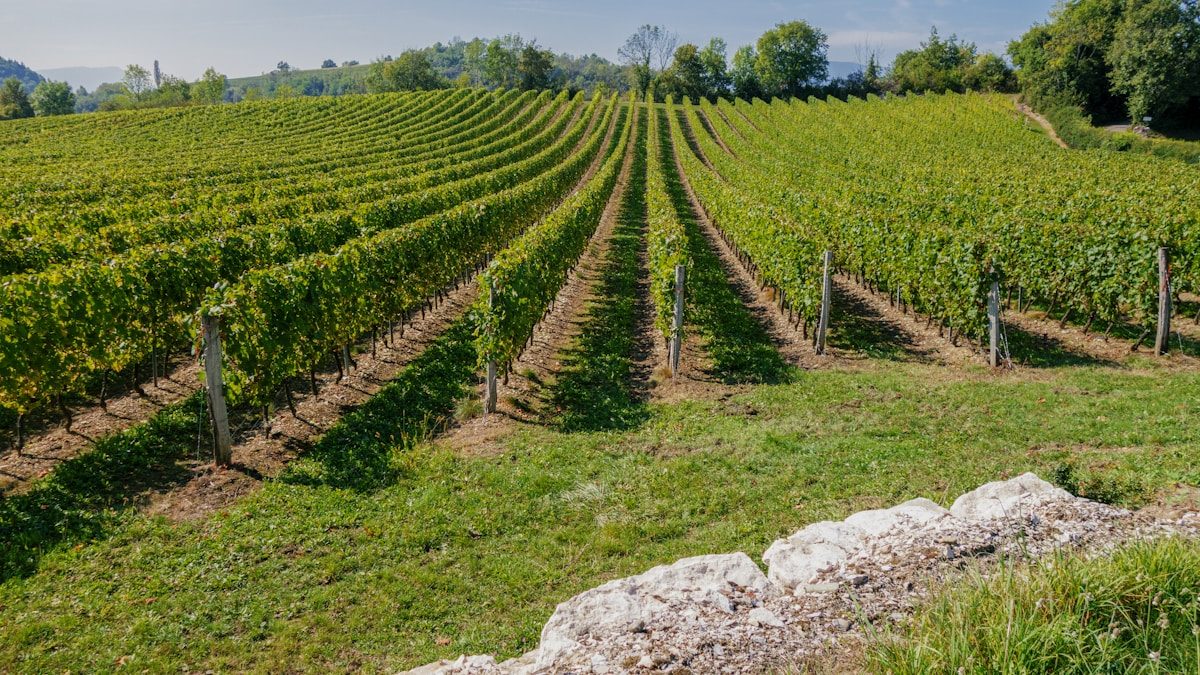

 Biodynamie en Provence : quels domaines ont sauté le pas ?Par Christian Ott, le 1 mars 2025