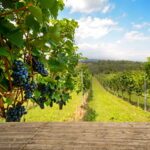
Irrigation in the vineyards of Provence: should we be afraid?
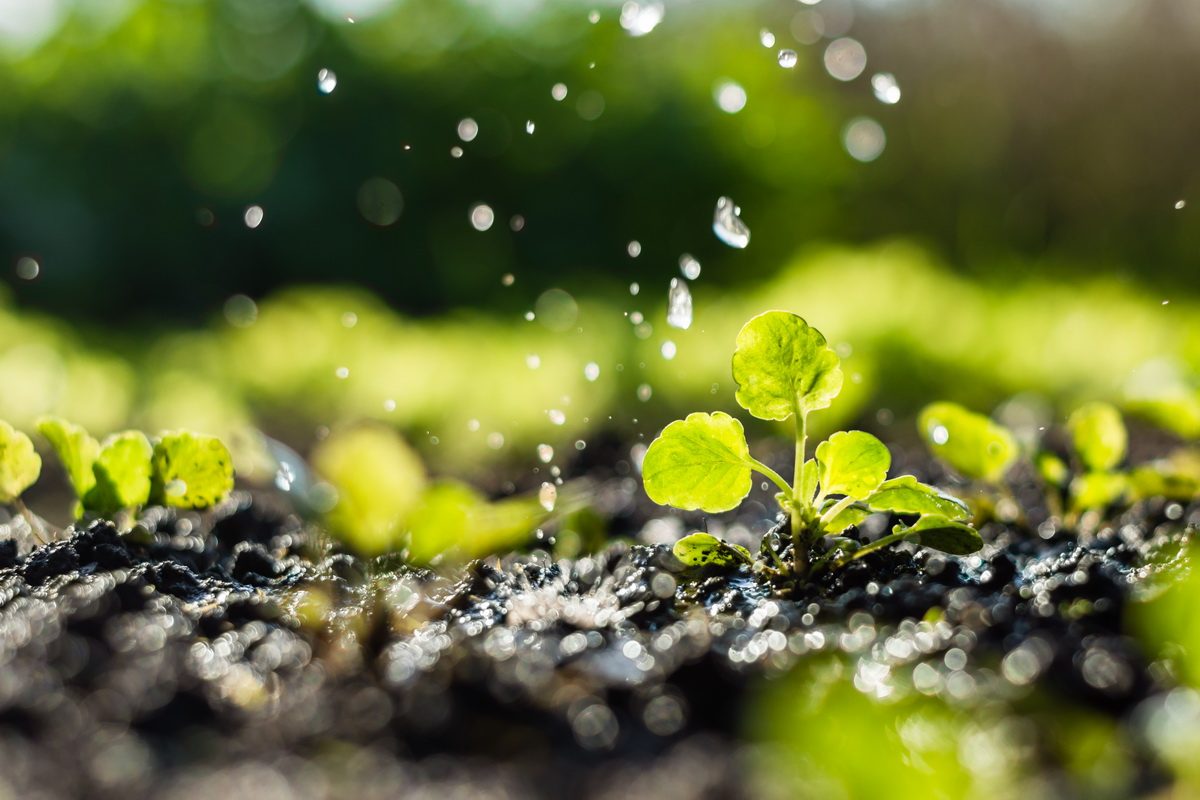
The Mediterranean climate raises many questions for Provence's winegrowers. Between summer drought and the quest for excellence, irrigation sometimes crystallizes debate in the vineyards. Some see it as an essential insurance policy, while others fear that it will unbalance the wine. Beyond the clichés, the issue is complex and deserves to be examined.
A vineyard in the throes of change
The vines of Provence have weathered many years, marked by scorching summers and sometimes milder winters. In these sun-drenched lands, the role of water influences every stage of production. Local grape varieties (especially those dedicated to red and rosé wines) have adapted to this contrasting climate, but gradual warming is leading to new thinking.
Many estates are now seeking a delicate balance: preserving the wine's typicity while avoiding excessive drought. Some are opting for limited irrigation to ensure the survival of the vines, especially during hot spells. Others feel that this practice risks erasing the nuances for which Provence is renowned.
Reuse and rational use of water
The reuse of water resources is gradually becoming a way of thinking. Recovering and recycling water from other processes is helping many farmers to cope with periods without rainfall. We are seeing the emergence of :
- Rainwater storage basins for specific uses.
- Intelligent drip systems that release just the right amount of water.
- Increased awareness of techniques to limit waste.
These gestures testify to a desire to preserve the vineyard while respecting ancestral know-how. Through this approach, many winegrowers hope to maintain the quality of their wines, even in times of drought.
The singular case of Domaine Alône
Amidst the landscapes of Provence, Domaine Alône offers a living example of balance. Set in a cirque perched at an altitude of 470 meters, the vineyard is built on rich sands and benefits from a surprising microclimate. Thermal amplitudes shape a harmonious wine, with slow ripening and remarkable aromatic complexity.
This vineyard has always relied on the natural potential of its vines. The hillside location, cool nights and regular ventilation give the grapes a unique balance. Every grape variety has its place here, from powerful reds to delicate rosés.
A philosophy focused on nature
Domaine Alône, like other pioneers, believes in the virtues of measured intervention. The winemakers favor yield control over intensive watering. They rely on roots that can reach deep into the soil to produce resilient grapes. This method helps preserve the terroir's typicity, while guaranteeing long-term production, year after year.
Why irrigation raises questions
The use of water to support vines is not new. In some very arid areas, controlled watering can save a harvest that's threatening to fail. Yet many fear that watering too frequently will homogenize the wine. Excess water can dilute flavors and transform the very nature of the grape.
Another sensitive issue is resource management. In a country where water consumption is already under scrutiny, how can we justify using large quantities of water for vines? Advocates of this practice point out that, in the event of extreme drought, the survival of the plant comes first. Others advocate precise, even marginal, use, reserved for young vines and emergency situations.
Pragmatic measures for the future
Faced with these challenges, several courses of action are emerging in the vineyards:
- Selection of grape varieties resistant to heat and poor soils.
- Adaptation of cultivation practices (pruning and trellising) to better preserve humidity.
- Installation of weather stations for rigorous monitoring of the plant and its needs.
These guidelines encourage the search for a point of balance, without tipping over into over-irrigation. The ultimate aim is to guarantee an authentic wine that is gentle on nature.
A chiaroscuro finale
The debate surrounding irrigation in Provencal vineyards is not about to die down. Between the desire to preserve a unique style and the need to adapt production to climate change, each domaine forges its own path. Domaine Alône illustrates that by taking advantage of a favorable microclimate, well-drained sands and marked thermal amplitudes, the vines are able to draw the energy they need. This approach highlights the importance of a long-term vision, in which winemakers combine respect for the land with discreet innovation, to offer wines that retain all their authenticity. Irrigation can be an asset or a pitfall, but Provence never ceases to prove that it can rise to many challenges.
 Biodynamie en Provence : quels domaines ont sauté le pas ?Par Christian Ott, le 1 mars 2025
 Réduction des traitements phytosanitaires en Provence : quelles alternatives ?Par Christian Ott, le 7 juillet 2025
 L’irrigation dans les vignobles provençaux : faut-il en avoir peur ?Par Christian Ott, le 18 août 2025
 Le travail du sol en climat méditerranéen : défis et innovationsPar Christian Ott, le 20 octobre 2025
 Vendanges en Provence : méthodes et traditionsPar Christian Ott, le 11 mars 2025
 Comment adapter la viticulture au réchauffement climatique en Provence ?Par Christian Ott, le 3 septembre 2025
 Le rôle du mistral dans la viticulture provençalePar Christian Ott, le 8 décembre 2025
 La cohabitation entre viticulture et faune sauvage dans les vignobles provençauxPar Christian Ott, le 10 avril 2025
 Les particularités des terroirs provençaux : entre calcaire et argilo-silicieuxPar Christian Ott, le 4 mars 2025
 Influence de la mer sur les vins de Provence : mythe ou réalité ?Par Christian Ott, le 26 mars 2025