The cohabitation of viticulture and wildlife in the vineyards of Provence
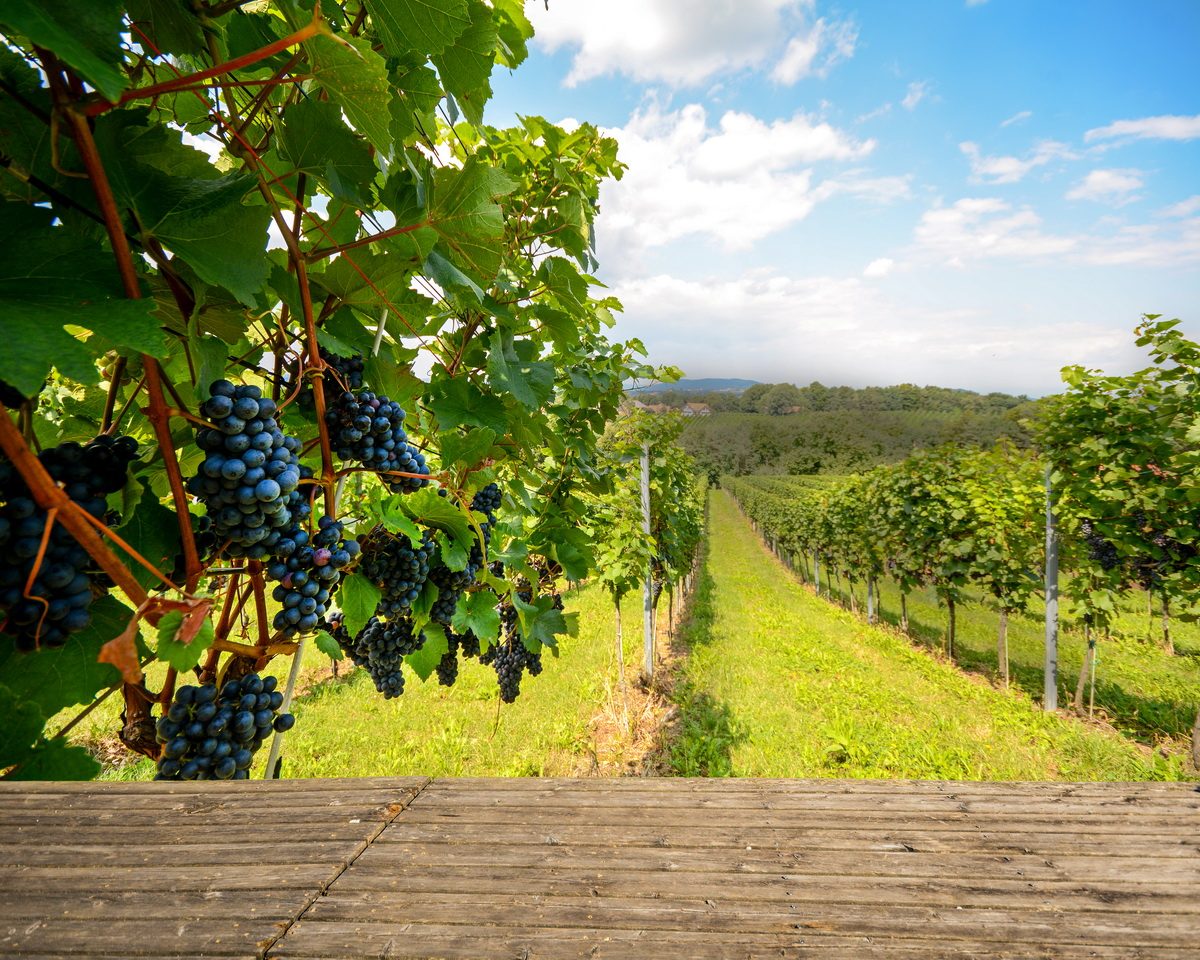
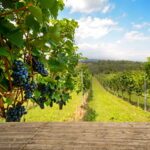
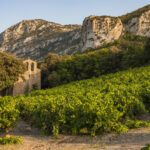
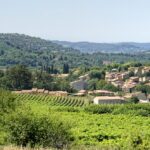
Provence, the cradle of winegrowing in France for centuries, fascinates with its sun-drenched vines, rolling landscapes and singular terroir. Yet behind the elegance of a local wine lies a much broader story: that of a refined cohabitation between nature and the hand of man. As you stroll along these disciplined vineyards, you discover a veritable wild world that has found its place here: hares, migratory birds and foraging insects gracefully invite themselves onto these living estates.
A subtle link between the vine and the fauna of Provence
Managing this biodiversity is important, as it conditions the health of the vines and the character of the wine. Over the centuries, the region's winegrowers have developed a keen ear for the natural sources that surround them. Protecting local flora and fauna means above all nurturing this subtle balance, in which every living thing contributes to the vine's growth process.
The example of Domaine Alône, harvesting with respect for the fruit
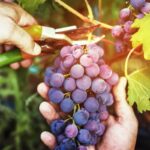
In the quest for perfect balance, Domaine Alône has set itself apart with its meticulous approach. The grapes are harvested by hand, carefully placed in small 15 kg crates. This procedure ensures the best possible preservation of the bunches until they reach the winery. It minimizes the risk of oxidation and respects the very integrity of the grapes, a veritable jewel of nature. By protecting these delicate berries, winemakers preserve the essence of the fruit, giving the wine a unique character and promoting healthy cohabitation with the environment.
Eco-responsible practices and sustainable cohabitation
Today, many estates in Provence are adopting a strong ecological approach to preserve their terroir. This approach often takes the form of :
- Limiting chemical inputs: history shows that wildlife becomes more established when pesticides are reduced. Auxiliary animals find their place more easily and play an active role in the vitality of the estate.
- A global approach to biodiversity: hedgerows, flower strips and bird boxes are all part of the process of enhancing the Provencal region.
These initiatives are not simply marketing strategies, but the fruit of deep-seated convictions. The winemakers recognize that by preserving the natural balance, they are creating a wine of greater finesse, tinged with that unique Mediterranean character.
When wildlife becomes an ally
If we look closely, we realize that hares, foxes and pollinating insects are not adversaries of viticulture, but rather accomplices. Far from encroaching on cultivation, these hosts of nature demonstrate their usefulness in an immutable cycle. Some insects feed on parasites potentially harmful to the vines, while others help pollinate the surrounding flower beds. In this way, a whole network of interactions, often invisible, supports the vines in their growth.
Towards a serene horizon for Provence
Throughout Provence, and more widely across France, the idea is spreading that a respectful alliance between winegrowers and wildlife brings inestimable added value. The model of excellence promoted by many of the region's winegrowers and others reminds us that wine is a living product, enriched by its profound links with nature.
Visitors from all over the world discover an authenticity in these vineyards that they never knew existed. This harmonious synergy can be felt in the glass: each sip recalls the patient process of cultivation, the diversity of the terroir and the strength of Provençal biodiversity.
A commitment for tomorrow
Ultimately, the cohabitation of wildlife and Provençal viticulture illustrates a genuine lesson in humility: nature is never to be tamed, but rather accompanied. The local winegrowers, aware of their role, perpetuate a reasoned choice, where respect for the living takes precedence over productivity at all costs. And if we dream of a greener future, it's undoubtedly in these vineyards, between hare and vine, that awareness will take root and flourish for future generations.
 La cohabitation entre viticulture et faune sauvage dans les vignobles provençauxPar Christian Ott, le 10 avril 2025
- Influence de la mer sur les vins de Provence : mythe ou réalité ?Par Christian Ott, le 26 mars 2025
- L’irrigation dans les vignobles provençaux : faut-il en avoir peur ?Par Christian Ott, le 18 août 2025
- Le rôle du mistral dans la viticulture provençalePar Christian Ott, le 8 décembre 2025
- Réduction des traitements phytosanitaires en Provence : quelles alternatives ?Par Christian Ott, le 7 juillet 2025
- Biodynamie en Provence : quels domaines ont sauté le pas ?Par Christian Ott, le 1 mars 2025
- Comment adapter la viticulture au réchauffement climatique en Provence ?Par Christian Ott, le 3 septembre 2025
- Les particularités des terroirs provençaux : entre calcaire et argilo-silicieuxPar Christian Ott, le 4 mars 2025
- Les cépages emblématiques de la Provence et leur adaptation aux terroirsPar Christian Ott, le 31 mars 2025
 Le travail du sol en climat méditerranéen : défis et innovationsPar Christian Ott, le 20 octobre 2025