Why is pellicular maceration interesting for Provence whites?
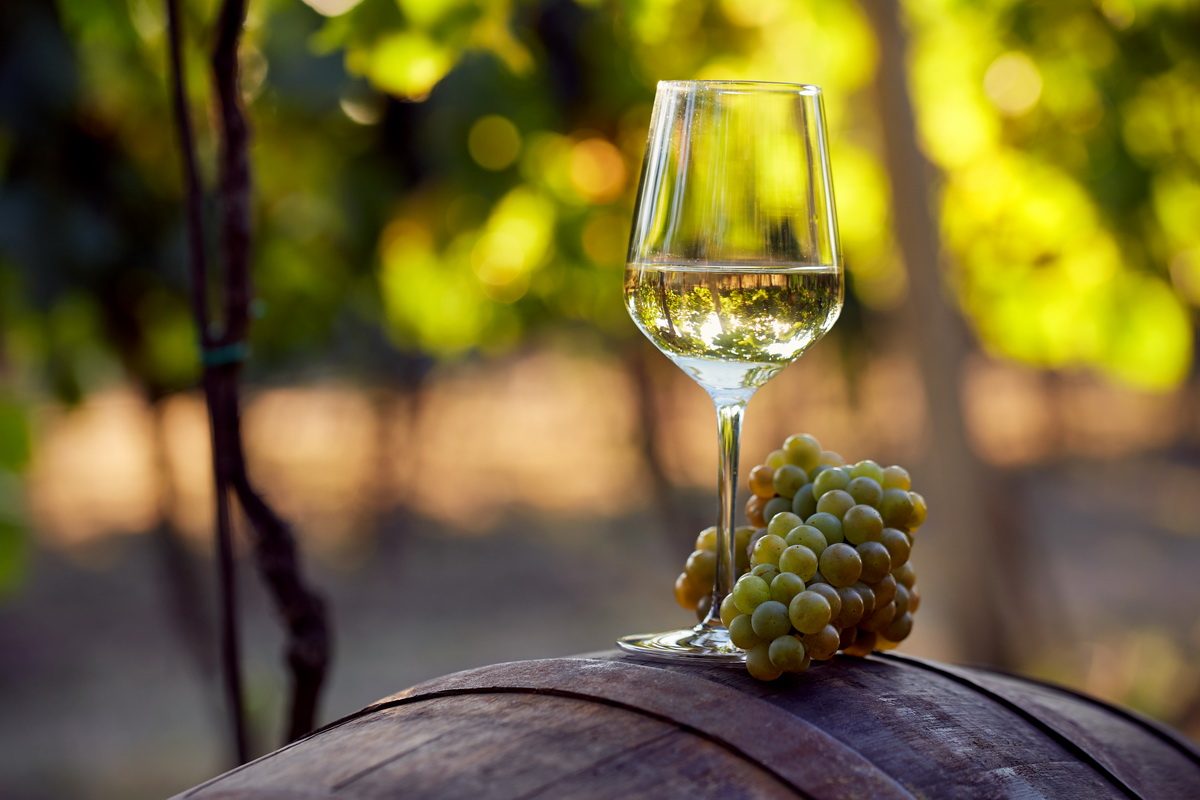
Far from the clichés that confine Provence to its rosés, some wineries are shaking things up with singularly nuanced white wines. Their secret? Meticulous pellicular maceration, the key to deep aromas and sometimes astonishing color. This process, often highlighted in oenology courses, gives life to bottles that fascinate as much as they intrigue. The result is an invitation to discover the region in a whole new light.
When pellicular maceration invites you to rethink winemaking
Pellicular maceration involves leaving the white grapes in contact with their skins before pressing. Contrary to the classic approach, which favors rapid pressing for white wines, this contact time prolongs the encounter between pulp and skin. In Provence's booming creative scene, this technique adds a touch of originality to the wine and arouses the curiosity of wine-lovers.
The operation may seem trivial, but it influences the wine's color and aromatic personality. The skins then release certain compounds that recall the intensity of rosé wine or even more tonic cuvées. Far from being a mere fashion statement, this approach embodies the desire to return to a more instinctive vinification, driven by a deep respect for the terroir.
Key ingredients for successful maceration
The final result depends on many factors. The region's winemakers take care of every detail to ensure that the wine fully expresses the richness of its grapes.
- Rigorous selection: the bunches chosen must be in perfect health. Hand-picking favors this approach, as each grape is sorted to guarantee a quality harvest.
- Time control: depending on the length of maceration, aromas refine and structure evolves. Some wineries opt for a few hours, while others extend the period to achieve greater complexity.
- Temperature control: a low temperature preserves the subtleties of the fruit and prevents fermentation from starting too early. This precise adjustment requires constant attention.
This vigilance results in white wines of character, sometimes with a slightly golden hue and a taste profile marked by freshness.
Impact on aromas and color
A wine born of pellicular maceration is often captivating thanks to its contrasts. Contact between skin and pulp releases complex notes: floral touches, hints of citrus, even exotic accents. The whole is enhanced by a fuller structure on the palate than that of a traditional white. Enthusiasts are delighted by this particular bouquet, while retaining the finesse typical of white wines.
Visually, the color can range from light yellow to more intense hues. This variation is a delight for sensory experimenters, and also opens up new perspectives for tasting at theme evenings or wine courses.
Between tradition and innovation in the domains of Provence
Provence's sunny climate favors grape ripening and provides an ideal playground for winemakers seeking to experiment. Some rely on maceration to assert their identity, while others see it as a return to long-forgotten ancient practices. This dynamic keeps the creative juices flowing, supported by ongoing training and exchanges between wine professionals.
Some estates even use it as a trademark, promoting the typicality of their terroir. Visitors linger on to discover this know-how, take part in the harvest and taste the difference between a classic white wine and one made by maceration.
Tips to make the most of it
Before opening a bottle, there are a few tips to help you live the experience to the full:
- Combine flavors: grilled fish, shellfish or an aged cheese platter, these dishes provide an opportunity to highlight the wine's particular aromas.
- Serve chilled: a temperature of around 10-12°C preserves the liveliness while highlighting the aromatic complexity.
- Take your time: gradual aeration reveals unsuspected nuances. Letting the wine breathe can make all the difference.
This ritual often leads to a moment of conviviality, as each sip feeds the discussion and gives way to passionate exchanges on winemaking or the diversity of the Provencal terroir.
Future prospects
Pellicular maceration offers an unprecedented opportunity to reinvent Provence's white wines. Techniques that are still experimental are on the horizon, and feedback from oenologists suggests that these cuvées will continue to surprise. Enthusiasts are already flocking to taste these atypical treasures, drawn by the idea of smelling, tasting and experiencing Provence in all its splendor.
With this approach, both ancestral and modern, the wineries are forging a unique style and inspiring other regions to follow suit. Grapes, harvesting, fermentation and pressing are no longer seen as mere stages, but as components of an art that is redrawing the winegrowing landscape. The desire to discover is spreading, and each macerated bottle heralds an extraordinary sensory journey.

 Pourquoi la macération pelliculaire est-elle intéressante pour les blancs de Provence ?Par Christian Ott, le 9 juin 2025
- L’impact des amphores sur les vins de ProvencePar Christian Ott, le 18 septembre 2025
- Comment faire un rosé gastronomique en Provence ?Par Christian Ott, le 11 novembre 2025
- L’importance du choix des levures pour exprimer le terroir provençalPar Christian Ott, le 11 mars 2025
- Les techniques de vinification sans intrants en ProvencePar Christian Ott, le 19 mai 2025
- Le rôle du PH et de l’acidité dans l’équilibre des vins provençauxPar Christian Ott, le 6 août 2025