Becoming a winemaker in Provence: where to start?
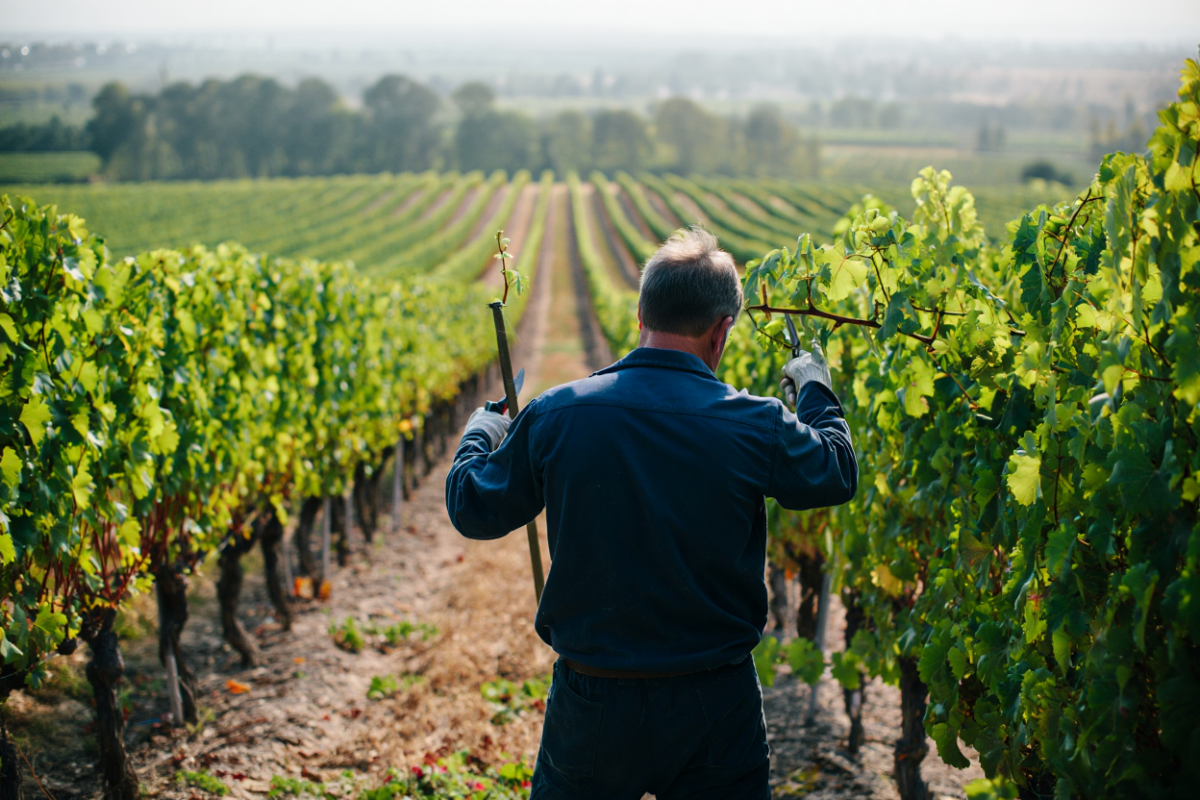
Delving into the world of wine in Provence immediately conjures up images of generous sunshine, well-tended vines and a way of life rooted in the land. The region's appeal has a way of making you dream, especially when you're thinking of becoming a winemaker. Here are a few milestones to help you embark on your journey with conviction and boldness.
The call of the vine
Provence has always appealed to those who love contact with nature and the desire to produce exceptional wines. Its vineyards offer a setting that is both enchanting and demanding, where agriculture must constantly adapt to the vagaries of the Mediterranean climate. Provence's passionate and tenacious winegrowers perpetuate a tradition that contributes to France's influence in the world of viticulture.
Becoming a winegrower in Provence means joining a circle of craftsmen who are convinced that wine is much more than just a drink. It's a daily grind, from meticulous pruning of vines, to disease monitoring and production control, to crafting cuvées that are emblematic of a region. The vine may seem capricious at times, but it offers magnificent rewards to winemakers who treat it with care and humility.
Training to become a winemaker
Before establishing yourself in this profession, it's a good idea to take a vocational training course. Agricultural schools and colleges offer courses in viticulture, oenology and estate management. There are a number of different courses to suit different profiles:
- BPA (Brevet Professionnel Agricole) or BP REA (Responsable d'Exploitation Agricole): a solid grounding in vine-growing and farm management.
- BTS Viticulture-Œnologie: an in-depth approach to wine production and vineyard management.
- Continuing education for adults: ideal for retraining, with short, specialized modules (viticultural techniques, wine marketing, etc.).
Renowned establishments in the South of France welcome those wishing to acquire the necessary skills. Over and above theoretical knowledge, experience in the field is crucial: internships on the estate, harvesting on several estates, participation in the various trades associated with the vine. Each season reveals its secrets and refines the future winemaker's understanding.
Setting up in Provence: choosing an estate
Creating or taking over an estate is a decisive moment. Some opt for a family estate handed down from generation to generation. Others choose to buy a vineyard or start one on undeveloped land. Each option has its own charms and constraints.
Administrative support can make the process easier: agricultural structures, chambers of agriculture or local cooperatives often guide newcomers through the first steps. Land can be expensive, so it's important to define your project carefully: how much vineyard should you grow? What type of wine should be produced? What resources will be needed to maintain and modernize the farm? There's no shortage of questions that will determine the future viability of the venture.
Obtaining professional status also guarantees integration into the local network. Registering with the wine registry, seeking subsidies and working with regional partners (cooperative wineries, wine merchants, training organizations) increase the chances of success. Each Provençal estate has its own identity, and setting up in this region means adapting to nature, traditions and current consumer trends.
Production secrets: from vine to wine
Once established, the winegrower has to juggle the annual cycle of the vine. Pruning in winter, tending in spring, harvesting in late summer or autumn. Each stage influences the final quality of the wine. The art of winemaking then continues in the cellar: mastering fermentation temperatures, maturing in vats or barrels, blending to bring out the best in each grape variety.
Some wineries adopt an organic or biodynamic approach, focusing on respect for the earth and its natural balance. Adding or reducing sulfites, limiting chemical weedkillers, using organic fertilizers: these are all decisions that give each wine its own unique character.
Once the wine has been bottled, the challenge is to get the word out about the estate. Winegrowers often invest in wine tourism, offering tastings, workshops and cellar tours. Provence attracts a curious and international public, seduced by the region's charm and the reputation of its wines, from elegant rosés to full-bodied reds. The on-site experience counts as much as the quality of the wines: the welcome, the transmission of know-how and the sharing of a passion leave lasting memories.
Last stop
There are many ingredients to becoming a winemaker in Provence: a deep love of the vine, the right training and the desire to give life to a unique terroir. This land, bathed in light, becomes the setting for a production that conveys the authenticity and creativity of those who work it. Each bottle created speaks volumes about the soul of its creator. It's a demanding adventure, but the pleasure of contributing to France's rich viticultural heritage is unrivalled. It's a lifestyle choice that invites you to reveal the land, the wine and yourself.
 Comment se démarquer dans l’univers du vin rosé de Provence ?Par Christian Ott, le 24 juin 2025
- Devenir vigneron en Provence : par où commencer ?Par Christian Ott, le 7 octobre 2025
- Le choix des cépages en Provence : tradition ou modernité ?Par Christian Ott, le 5 mai 2025
- L’importance d’un chai bien conçu en ProvencePar Christian Ott, le 18 juillet 2025
- Création de domaine : quelles erreurs éviter ?Par Christian Ott, le 2 avril 2025