Choosing grape varieties in Provence: tradition or modernity?
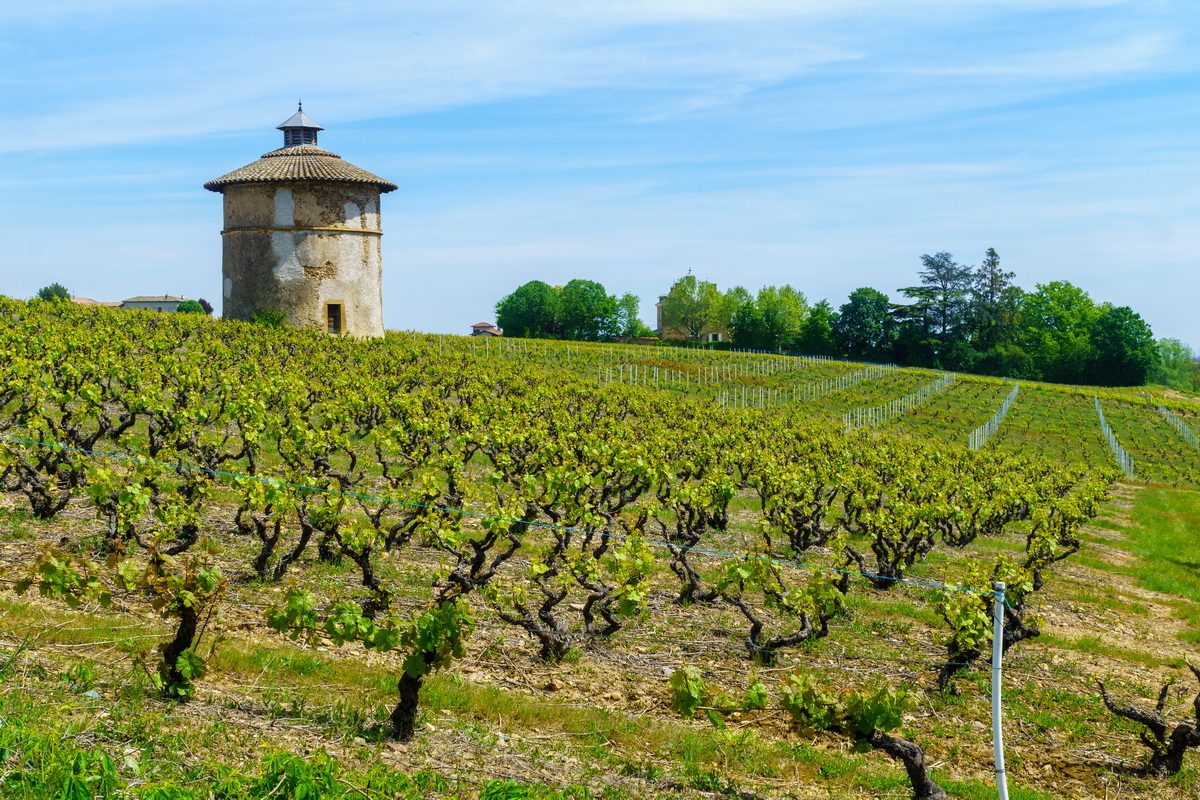
Provence offers a grandiose spectacle, where each estate cultivates its history with pride. For centuries, winegrowers have shaped a vineyard that is emblematic of France, from delicate rosé to bold cuvée. In this cradle of viticulture, the debate surrounding the choice of grape varieties is intensifying: should we perpetuate tradition or embrace modernity? It's a question that goes to the very heart of Provençal identity.
A solidly rooted heritage
Winegrowers in Provence have often relied on historic grape varieties, rooted in a terroir shaped by a generous climate and varied soils. In these lands, the AOP (Appellation d'Origine Protégée) de Provence, with its blend generally dominated by Grenache, Syrah or Cinsault, reflects respect for tradition. The region's estates and châteaux have built their reputation on a careful selection of grape varieties grown according to ancestral methods: hand-picking, slow fermentation and jealously guarded secret blends.
Here are just a few of the reasons why some growers value these old varieties:
- Preserving a heritage: these vines embody a multi-generational know-how.
- Eachcuvée reflects a local history, woven together with the seasons.
- Recognition in the appellations: the technical description of wines is usually based on well-established criteria.
Thanks to this traditional foundation, Provence has forged a unique image, celebrated by rosé lovers as well as white and red enthusiasts. Emblematic grape varieties, such as Mourvèdre, embody an almost mythical dimension, reinforcing the deep bond between each estate and its terroir.
The temptation of modernity
On the other hand, a more daring trend is taking shape in the vineyards of the South-East. Some winemakers want to surprise by testing new grape varieties or perfecting innovative techniques: concrete vats, barrels of different woods, low-temperature fermentation. Their aim is to explore new flavors, win over a curious public and combine tradition with a form of controlled audacity.
Adherents of this contemporary approach rely on several levers:
- Climate adaptation: new grape varieties are more resistant to drought and offer a different aromatic profile.
- Responding to global demand: an original wine, while remaining linked to Provence, arouses particular interest.
- Striving for excellence: the quest for an original cuvée sometimes requires a controlled break with old practices.
This modernity does not seek to erase local heritage, but rather to sublimate it. The estates that venture down this path often combine traditional expertise with an openness to oenological advances, with the aim of creating singular wines.
When tradition meets innovation
Provence has always known how to innovate without breaking with its identity. PDOs are not intended to freeze production, but to preserve a coherent quality. Many vineyards, from small family estates to larger châteaux, now combine classic know-how with avant-garde practices: amphora ageing, micro-vinification, advanced plot selection.
This fusion of approaches can be seen in the increasingly diverse range of Provence wines: floral rosés, astonishingly fresh whites, robust reds - all find their place in a vineyard that is constantly renewing itself. Consumers, seduced by the experimental character of certain cuvées, are also enthusiastic about the return to ancestral methods, in particular biodynamic or integrated farming.
The alliance between past and future
Finally, Provence rhymes with a mosaic of influences, where grape varieties tell a story with many voices. Tradition is kept alive by the defense of tried-and-tested techniques, while modernity breathes new life into creativity. Wineries that manage to strike the right balance between respect for the terroir and the audacity of new grape varieties often win admiration: their wines embody a constant dialogue between yesterday and tomorrow.
Selecting a grape variety is more than just a formality: it's a promise made to the soil that nurtures it and to the enthusiasts who taste it. Some winemakers are reluctant to trade their family heritage for futuristic experimentation, while others are happy to break a few codes to better seduce palates in search of surprise. Whatever the case, Provence shines for its creativity and ability to reinvent the contours of its appellation.
An inspiring horizon for Provence
The debate surrounding the choice of grape varieties is far from settled. Provence's estates have a fascinating freedom to combine originality with respect for local roots. Wine lovers, for their part, find in this dynamic an ideal breeding ground to multiply their discoveries and refine their preferences.
With each new cuvée, Provence continues its adventure, reminding us of the importance of terroir, shared emotion and the intimate link that each bottle maintains with its environment. Tradition continues, modernity flourishes, and the vines of Provence seem ready to write new chapters that will thrill wine lovers the world over.
 Comment se démarquer dans l’univers du vin rosé de Provence ?Par Christian Ott, le 24 juin 2025
- Devenir vigneron en Provence : par où commencer ?Par Christian Ott, le 7 octobre 2025
- Le choix des cépages en Provence : tradition ou modernité ?Par Christian Ott, le 5 mai 2025
- L’importance d’un chai bien conçu en ProvencePar Christian Ott, le 18 juillet 2025
- Création de domaine : quelles erreurs éviter ?Par Christian Ott, le 2 avril 2025