The importance of a well-designed winery in Provence
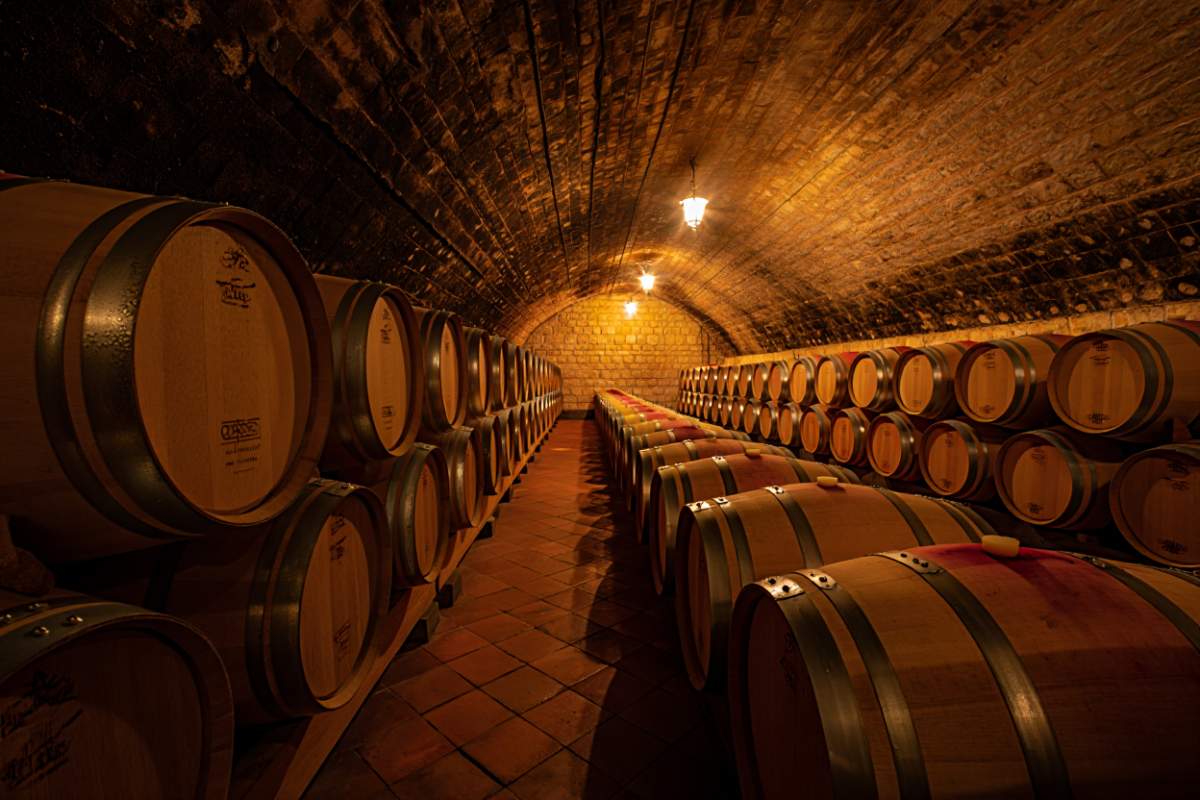
Provence often evokes the scent of pine trees, the golden light on the hills and the passion for wine that drives every winery. In this context, the winery is more than just a building: it reflects the personality of an entire region and gives character to the wines that emerge from it. Here are a few key points to consider in order to grasp the real impact of a building adapted to local requirements.
A winery reflecting a winegrowing identity
A well-designed winery affirms the soul of a vineyard, highlighting its history and ambitions. Passionate winemakers often see it as the logical continuation of a family heritage, while others imagine it as a bold new project that reinvents traditions. The link with the terroir can be seen in every corner, from the ultra-modern vat room to the carefully aligned barrels.
These wineries, the true pillars of wine production, are sometimes integrated into a century-old château, other times into contemporary architecture. The key is to harmoniously blend aesthetics and functionality, allowing the estate's uniqueness to speak for itself. Visitors, captivated by this setting, discover the intimacy of a place where winemaking becomes a sensory experience.
When emotion shapes tasting
Each winery tells a story that goes beyond wine-making. The scents, the light, the echo of footsteps on the floor, all contribute to creating an atmosphere conducive to discovery and sharing. The smallest detail of construction acts as a common thread between earth and glass, reinforcing the charm of a region that has long proved its worth in viticulture.
The key role of architecture in Provence
The Provencal region has a varied climate and soil. The presence of the Mistral wind, summer heat and cool nights call for ingenuity on the part of wineries. The architecture of the winery acts as a bulwark against excessive temperatures, while ensuring the right amount of space for each stage of production.
Construction techniques respect these constraints and often follow the local relief. In some vineyards, semi-buried levels help stabilize temperatures. In others, wide openings let in the breeze to ventilate the vats naturally. These choices reflect a constant quest for balance, where aesthetics rub shoulders with performance.
Varied influences for a unique winery
Several styles coexist in Provence. Some wineries are inspired by an almost monastic sobriety, relying on raw materials. Others have an avant-garde feel, with bold lines and panoramic tasting areas. The inspirations vary, but the common objective remains the same: to sublimate the wine, highlight the identity of the estate and create an unforgettable bond with visitors.
Winemaking techniques for an ambitious project
Building a winery is a strategic choice for any wine producer. The vat room, the aging barrels, the areas dedicated to vinification: each element is organized to ensure that the grapes, once harvested, begin their journey to the bottle in ideal conditions.
Here are just a few of the elements that make a winery efficient:
- Careful insulation: maintaining the right temperature preserves wine quality and facilitates vinification.
- Free-flowing traffic: designing accessible spaces makes for more efficient production and reduces unnecessary handling.
- Resistant materials: opting for a durable interior lining supports impeccable hygiene and promotes the longevity of the winery.
The result is wines that fully express the characteristics of Provence, while retaining a modern touch. An accomplished winery doesn't just store vintages, it amplifies the wine's character and makes it shine in the region and beyond.
Prospects for a bold future
Imagining an innovative winery means providing the estate with a living space where wine culture takes shape. The greatest châteaux and vineyards of Provence have understood this: architecture plays a major role in the reputation, quality and tourist appeal of their wines. Renowned architects collaborate with passionate oenologists to create spaces that sometimes defy convention, but always serve the beauty of the terroir.
Nothing is set in stone: each project reveals a singular vision, sometimes inspired by tradition, sometimes dictated by the desire to surprise. The objective remains the same: to make each winery a place of exacting standards and inspiration, where each barrel becomes a witness to unique know-how. Visitors leave with much more than just a bottle: they take away a lasting memory, an invitation to continue the journey through the vintages.
 Devenir vigneron en Provence : par où commencer ?Par Christian Ott, le 7 octobre 2025
 Le choix des cépages en Provence : tradition ou modernité ?Par Christian Ott, le 5 mai 2025
 Comment se démarquer dans l’univers du vin rosé de Provence ?Par Christian Ott, le 24 juin 2025
 L’importance d’un chai bien conçu en ProvencePar Christian Ott, le 18 juillet 2025
 Création de domaine : quelles erreurs éviter ?Par Christian Ott, le 2 avril 2025
